




Dianthus Sweet William
$4.95
Dianthus Barbatus
- Seed Count 500
- Cottage Garden Favourite
- Biennial
- Height 60 cm
Out of stock
Email when stock available
Description
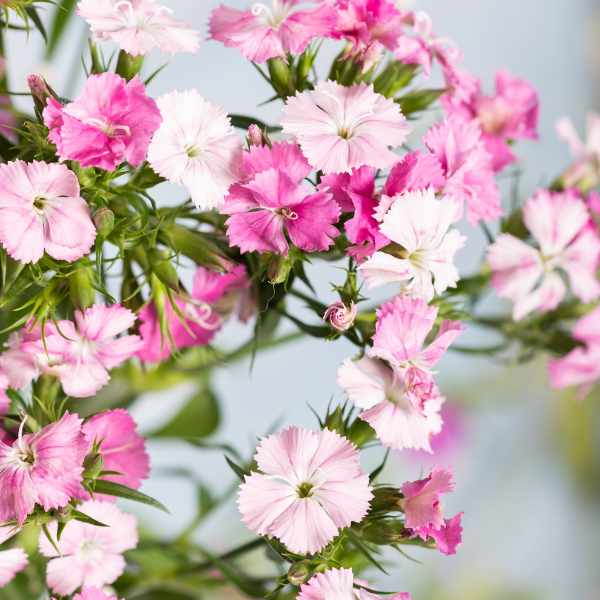
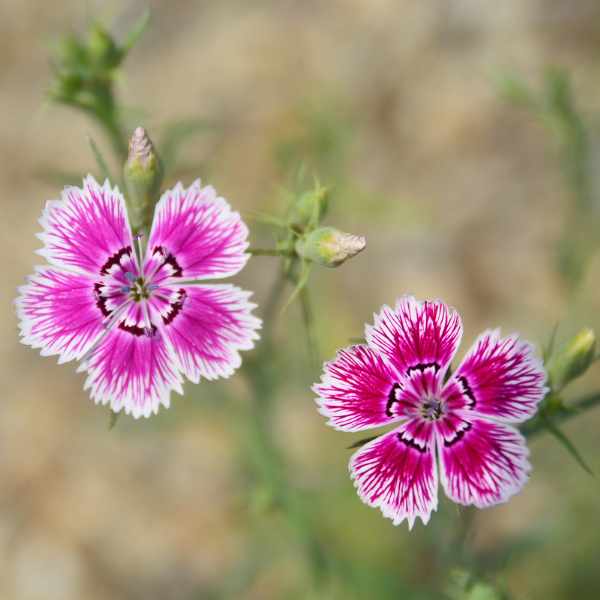
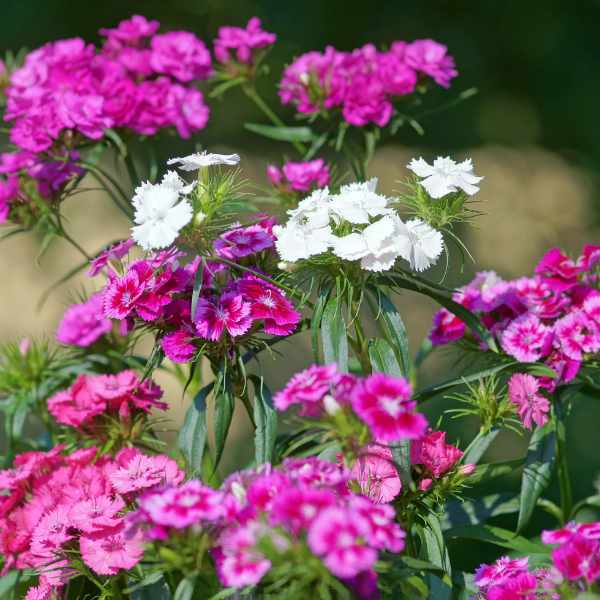
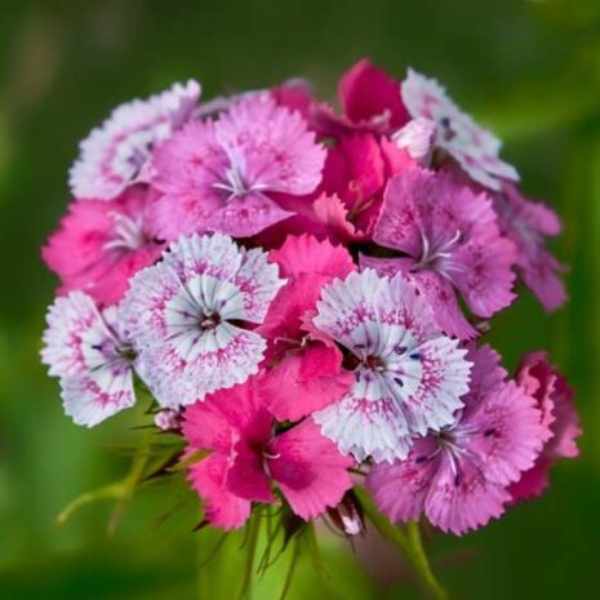
Dianthus Sweet William is one of those lovely old-fashioned flowers.
An easy to grow traditional cottage garden plant with edible blooms that come in a wide array of colours from white to red.
The vivid blossoms rise on stiff, erect stems with rosettes of pale green stems.
Sweet Williams make a long-lasting, cut flower, and are an excellent choice for dried flower arrangements.
Best of all, they are intensely fragrant, with a delicious, rich perfume. Growing to around 60cm tall they belong in the middle ground of the flower border.
They are also a wonderful plant for containers, mass plantings and meadows.
Dianthus barbatus are short lived perennials that are often grown as a biennial.
They will grow in most soils and grow equally well in full sun or part shade.
Insects and diseases do not frequent the plants. Everybody can grow them to perfection.
| Method: Sow direct or seedlings | Soil Temp: 10°C - 25°C |
| Cool Mountain: Nov - Dec | Position: Part sun |
| Arid: Aug - Jan | Row Spacing: 30 cm |
| Temperate: Sep-Nov, Mar-Jun | Planting Depth: 3 mm |
| Sub Tropical: May - Oct | Harvest: 140 Days |
| Tropical: Jun - Aug | Plant Height: 60 cm |
🌱 Sowing from Seed: Trays vs. Direct in the Garden
Dianthus seed is fine and easy to handle, which makes it suitable for both seed trays and direct sowing, depending on your climate and setup.
Sowing in trays:
This is the most reliable method, especially in cooler regions or when starting early in the season. Fill a seed tray with a quality seed-raising mix, ensuring it is light and free-draining. Sprinkle the seed thinly over the surface and lightly press it into the mix rather than covering it heavily. Dianthus needs light to germinate, so avoid burying the seeds too deeply—just a dusting of mix is enough. Keep the trays moist but not waterlogged and place them somewhere bright but out of harsh direct sun.
Germination usually takes between 7 to 14 days, depending on temperature. Once the seedlings are large enough to handle, prick them out into small pots or punnets to grow on. Transplant them into the garden once they have at least four true leaves and the risk of frost has passed.
Direct sowing:
In warmer regions, you can sow directly into prepared garden beds once the soil has warmed. Rake the topsoil to a fine tilth and sprinkle the seeds thinly. Gently press them into the surface with your hand or the back of a rake and water lightly. Keep the area evenly moist until seedlings appear. Direct sowing works best in late summer through early autumn in most parts of Australia, allowing the plants to establish before winter and bloom beautifully in spring.
💧 Seed Pre-Treatment
Dianthus seeds do not require any pre-treatment. They germinate well without soaking or chilling. However, if your seed is older than a year, you may improve germination slightly by soaking it in room-temperature water for four hours before sowing. This softens the seed coat and helps moisture penetrate more easily.
🌞 Soil and Position
Dianthus loves full sun and good drainage. Choose a spot that receives at least six hours of sunlight a day. In heavy or clay soils, mix in plenty of coarse sand, compost, or well-rotted organic matter to loosen the structure. Slightly alkaline soils suit dianthus best, so a sprinkle of garden lime can be beneficial if your soil tends toward acidity.
Raised beds or pots are excellent for dianthus, particularly where drainage is a challenge. If growing in containers, use a free-draining potting mix and ensure pots have ample drainage holes. Avoid over-fertilising, as too much nitrogen encourages leafy growth at the expense of flowers.
🌿 Care and Maintenance
Dianthus are not high-maintenance plants, but regular attention will reward you with abundant blooms.
- Watering: Keep soil lightly moist while seedlings establish. Once mature, dianthus tolerates dry conditions but will flower better with consistent moisture. Avoid wetting the foliage to reduce fungal problems.
- Feeding: Feed with a slow-release fertiliser at planting, then lightly top up in spring. Too much fertiliser can lead to soft growth and fewer flowers.
- Pinching: For bushier plants, pinch out the growing tips when seedlings are 8–10 cm tall.
- Deadheading: Regularly remove spent flowers to encourage continued blooming and prevent unwanted self-seeding.
- Mulching: Apply a light mulch to keep roots cool and suppress weeds, but avoid piling it against the stems.
🌼 Companion Planting Guide
Dianthus fits beautifully into mixed borders and herb gardens. Its sweet fragrance and neat form make it a charming companion for many plants.
- Good companions: Alyssum, lavender, marigold, and dusty miller. These plants all enjoy sunny, well-drained conditions and create a balanced mix of colour and texture.
- Vegetable companions: Dianthus can be grown near herbs like thyme or sage and around brassicas, where its scent may help deter some insect pests.
- Avoid planting near: Water-loving plants such as impatiens or coleus, as they prefer different growing conditions.
✂️ Harvesting Blooms
For cut flowers, harvest blooms early in the morning when they are freshly opened. Use sharp scissors or snips and cut just above a leaf node to encourage further branching. Place stems immediately in cool water. Dianthus flowers last well in a vase, often up to a week with regular water changes.
🐛 Common Issues and Fixes
| Problem | Likely Cause | Fix |
|---|---|---|
| Yellowing leaves at the base | Poor drainage or overwatering | Improve soil drainage and reduce watering frequency |
| Weak, leggy growth | Too much shade or excessive nitrogen | Move to a sunnier position and reduce fertiliser |
| Fungal leaf spots | Humid conditions or poor air circulation | Water at the base and space plants well apart |
| Aphids or thrips | Sap-sucking insects feeding on new shoots | Spray with a mild soapy water solution or encourage ladybirds |
| Few flowers | Heat stress or lack of sunlight | Water regularly in hot weather and ensure full sun exposure |
🌾 Seed Saving Guide
Dianthus seeds are easy to collect once you know when to look. After flowering, allow a few healthy blooms to remain on the plant until the seed pods (or capsules) turn brown and dry. Each pod contains numerous tiny black seeds.
Follow these steps for best results:
- Select the best plants: Choose vigorous, healthy specimens with desirable colour and form. Avoid saving seed from weak or diseased plants.
- Allow pods to dry: Once pods begin to brown, cover them lightly with a small paper bag to catch seeds as they mature. Avoid using plastic bags, which can trap moisture.
- Collect seeds: When pods are completely dry, gently crush them over a clean surface to release the seeds.
- Drying: Spread the seeds out on paper in a shaded, well-ventilated spot for a few days to ensure they are fully dry.
- Storage: Store in a labelled paper envelope or glass jar with a silica sachet. Keep in a cool, dark, and dry place. Properly stored, dianthus seed remains viable for up to three years.
🌷 Final Thoughts
Growing dianthus from seed is one of the simplest pleasures in the garden. The process rewards patience with a display of blooms that bring joy year after year. Their versatility makes them equally at home in garden beds, rockeries, borders, or pots. For Australian gardeners, the key lies in bright sun, good drainage, and a little regular care. Once you see their neat mounds of colour and catch that sweet clove fragrance on a warm breeze, you will understand why dianthus has been cherished by gardeners for centuries.
Whether you grow them for cutting, edging, or simply to brighten your garden, dianthus offers enduring charm and a touch of old-fashioned beauty that never fades.
1 review for Dianthus Sweet William
| 5 star | 100% | |
| 4 star | 0% | |
| 3 star | 0% | |
| 2 star | 0% | |
| 1 star | 0% |

Postage Charge
Orders under $35 attract a $4.95 shipping charge. Orders $35 and above have free shipping.
Order Times
Seed orders are normally dispatched within three business days. You will receive an email when seeds are mailed out.
Postage Days
Seeds are mailed out Tuesday to Friday at 1pm. Except for the Friday of long weekends.
Postage Times
WA 2-3 Days: SA,NT 3-5 Days: NSW, ACT, QLD, VIC: 5-7 Days
Carrier
We use Australia Post Letter Postage for the majority of orders
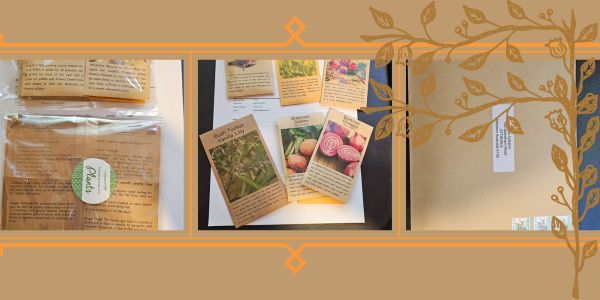
Not only are our seeds packed in recycled paper envelopes, we keep the theme going when we post out website orders. To protect your seeds from moisture and the letter box munchers (snails), we use a very special plastic free material made from plants. They are then put into recycled mailing envelopes. Green all the way 💚🌿
Delivery Guarantee
We take great care to make sure your seeds arrive safely. If your order is lost or damaged in transit, we’ll happily send a replacement. Unfortunately, we can’t replace or refund orders that arrive later than the estimated delivery date, as delays can sometimes occur that are outside our control.
Please note that all dispatch and delivery times listed are estimates only. While we do our best to post promptly, delivery timeframes can vary due to postal service delays, weather events, or other unforeseen circumstances. We’re unable to take responsibility for any loss, damage, or cost that results from a late delivery.
An order is not considered missing until at least 20 business days have passed from the postage date. You’ll receive an email once your seeds have been posted, letting you know they’re on their way. If you don’t see it in your main inbox, please check your Spam or Promotions folders as sometimes our emails like to hide there.
Haven’t planted as I’m moving house.
See all our verified customer reviews on our official CusRev profile.