








Watermelon Bush Jubilee
$4.95
Citrullus Lanatus
- Seed Count 10
- Compact Bush Style
- Annual
In stock
Description
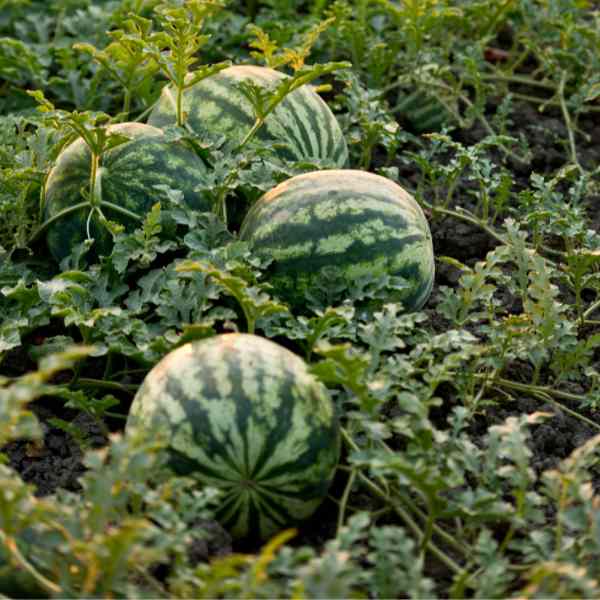
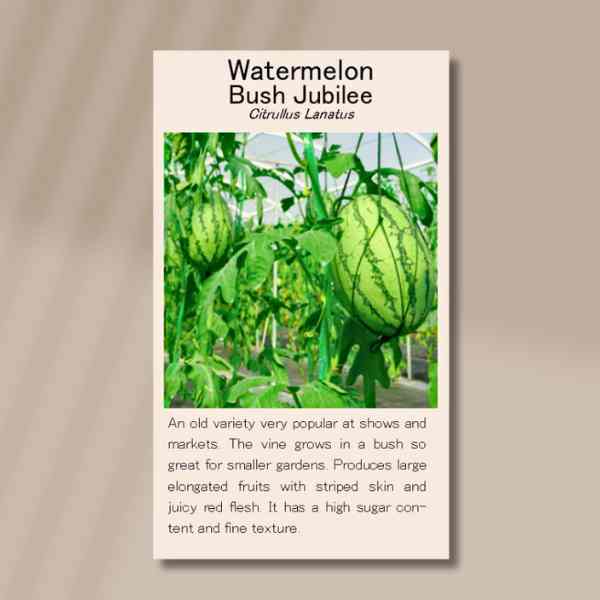
When most of us picture a watermelon patch, we imagine sprawling vines creeping across the garden, claiming every spare bit of ground in their path. Traditional varieties certainly have a habit of making themselves at home, often stretching well beyond what a modest suburban backyard can comfortably allow. That is where Watermelon Bush Jubilee comes into its own. This is a bush-type watermelon forms a compact, bushy plant with a spread of just 1 to 2 metres, making it manageable, tidy, and ideal for smaller gardens or mixed planting spaces.
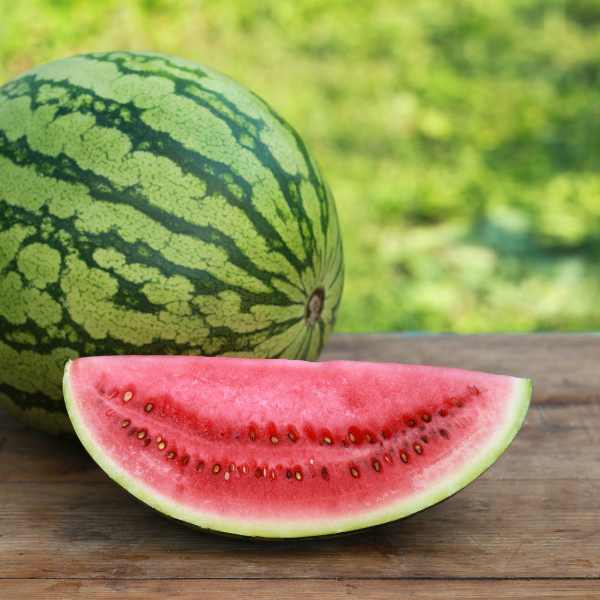
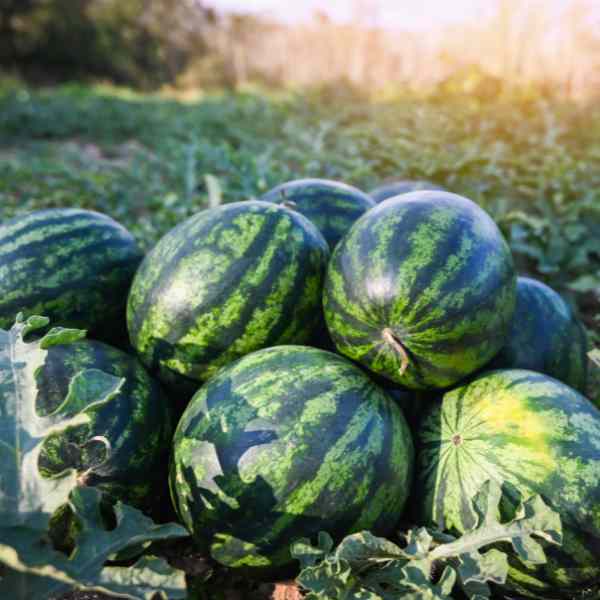
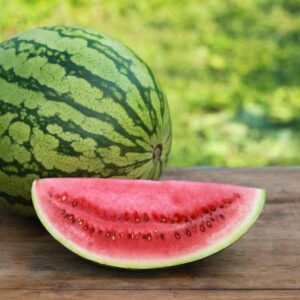
Bush Jubilee produces fruits that are somewhat more elongated in shape than your standard round melon. Each melon tips the scales at a respectable 4 to 5 kilograms, a size that sits comfortably between “manageable” and “generous.” They are large enough to feed the family on a hot day, yet not so oversized that you’ll be struggling to lift them from the garden or to fit them into the fridge.
The flesh is a brilliant, crisp red, bursting with juiciness and flavour. The texture is fine-grained and tender, never coarse or fibrous, and every bite is saturated with refreshing sweetness. This variety is known for its very high sugar content, which makes it one of the most enjoyable melons to eat straight from the rind.
Another strength of Bush Jubilee lies in its resilience. Watermelons, like many cucurbits, can sometimes struggle with soil-borne diseases, particularly anthracnose and fusarium wilt. These issues can devastate plants, especially in warm, humid conditions where fungal problems tend to thrive. Bush Jubilee has some natural resistance to these diseases, making it a sturdier option for home gardens. While no plant is ever entirely immune, this built-in resistance gives gardeners peace of mind and means fewer losses during the season. It’s reassuring to know that your crop has a better chance of reaching maturity, even in seasons where conditions are less than perfect.
| Method: Sow direct | Soil Temp: 21°C - 35°C |
| Cool Mountain: Sep - Dec | Position: Full sun |
| Arid: Sep - Mar | Row Spacing: 75 cm |
| Temperate: Aug - Dec | Planting Depth: 10 mm |
| Sub Tropical: Aug - Jan | Harvest: 80 Days |
| Tropical: Apr - Jul | Plant Height: 20 cm |
🧺 Sowing: In Trays vs. Direct in the Ground
Watermelons are warm-season growers that need consistent heat to thrive—so timing and method of sowing really matter.
Sowing in Trays
Starting watermelon seeds in trays is handy if you’re in a cooler region or want a head start before the soil warms up fully (especially in temperate and cool zones). Use deep seedling trays or small pots, as watermelon seedlings dislike root disturbance.
- When: Late August to October in warmer areas, or wait until mid-spring in cooler regions.
- How: Sow seeds about 2–3 cm deep in individual cells filled with a rich seed-raising mix.
- Tip: Transplant very gently once they have 2–3 true leaves. Harden off by gradually introducing them to full sun over a few days.
Direct Sowing
In warmer regions (like QLD, NT, and parts of WA), direct sowing works well and is often preferred.
- When: Mid- to late spring, once the soil temperature consistently sits above 20°C.
- How: Sow 2–3 seeds per station, about 2–3 cm deep. Thin to the strongest seedling once germinated.
Seed Pre-treatment
Watermelon seeds don’t usually require pre-treatment, but soaking them in warm water overnight can speed up germination, especially in cooler climates.
🌞 Soil and Position
Watermelons are heavy feeders and sun lovers. To get those big, sweet fruits, give them:
- Sun: Full sun—at least 6–8 hours a day.
- Soil: Well-drained, rich in organic matter, and slightly sandy soils are ideal. Aim for a pH of 6.0–6.8.
- Prep: Dig in plenty of compost, aged manure, or worm castings a few weeks before planting. Mound the soil to improve drainage and warmth.
Spacing is key—these vines love to sprawl, so give them at least 1–1.5 metres between plants and up to 2 metres between rows. In smaller gardens, you can train them up a strong trellis and support the fruit with slings.
🌱 Care and Maintenance
Once your seedlings are in the ground, keep the growth strong and steady with:
- Watering: Deep, consistent watering while vines are growing and fruit is forming. Cut back as fruit ripens to enhance sweetness.
- Feeding: Side-dress with compost or a balanced organic fertiliser every 3–4 weeks.
- Mulching: Apply a thick mulch to conserve moisture, suppress weeds, and keep fruit clean.
- Training: In small spaces, guide vines away from other crops. Remove some lateral shoots if needed to encourage better airflow and fewer, larger fruits.
Avoid disturbing roots once established. Watermelons don’t like being moved or heavily cultivated around.
🌻 Companion Planting Guide
Watermelon loves the company of a few helpful neighbours and dislikes others.
Great Companions:
- Corn – Offers light shade and support for vines to climb.
- Radish – Helps deter cucumber beetles.
- Nasturtium – Attracts beneficial insects and deters aphids.
Avoid Planting Near:
- Potatoes – Compete for nutrients and space.
- Cucumbers/Pumpkins – Can encourage disease spread and overcrowding.
✂️ Harvesting
Watermelons don’t “slip” from the vine like rockmelons do, so you’ll need to look for a few clues to know when it’s time to pick:
- Timeframe: 10–14 weeks after sowing.
- Tendril test: The curly tendril closest to the fruit stem will dry and brown.
- Ground spot: The underside will change to a creamy yellow colour.
- Sound: A ripe watermelon sounds hollow when tapped.
Use clean secateurs or a sharp knife to cut fruit from the vine, leaving a short stem attached.
🐛 Common Issues and Fixes
| Issue | Symptoms | Fix |
|---|---|---|
| Powdery mildew | White patches on leaves | Improve airflow, avoid overhead watering, use neem or milk spray. |
| Fruit splitting | Cracks in ripening fruit | Inconsistent watering—water evenly during fruit formation. |
| Poor fruit set | Flowers but no fruit | Hand pollinate; attract more pollinators with flowers. |
| Aphids or cucumber beetles | Curling leaves, pest sightings | Use insect netting early, or spray with soapy water. |
| Blossom end rot | Dark, sunken spots on fruit ends | Calcium deficiency or inconsistent watering—mulch and feed. |
🌼 Seed Saving Guide
Saving watermelon seeds is simple if you’re growing an open-pollinated (heirloom) variety and have only one variety flowering at a time (to prevent cross-pollination).
- Choose the best fruit: Select a healthy, fully ripe fruit from a strong plant.
- Scoop & ferment: Scoop out seeds and pulp. Place in a jar with water and let sit for 2–3 days (to remove the gelatinous coating).
- Rinse & dry: Good seeds sink. Rinse thoroughly and spread to dry on paper towel or mesh in a well-ventilated spot.
- Store: Once completely dry, store in a paper envelope or glass jar in a cool, dry place. Label with the variety and date. Viability is usually 4–5 years.
🌟 Final Thoughts
Growing watermelon takes space and patience—but the payoff is a vine-ripened, sun-warmed fruit you’ve raised from seed. In my own patch, I let the vines ramble through the edges of the veggie bed and sometimes even the lawn—where they’re free to soak up the heat and do their thing.
If you’re just starting out, try one or two vines, keep up the water and feed, and don’t be disheartened if your first melon isn’t a whopper. Like all good gardening, it’s a mix of learning, observation, and a bit of luck with the weather.
Keep a journal, note what works in your patch, and next season, you’ll be even more confident. And hey—few things say “summer” like a homegrown watermelon shared with friends. 🍉💚
1 review for Watermelon Bush Jubilee
| 5 star | 100% | |
| 4 star | 0% | |
| 3 star | 0% | |
| 2 star | 0% | |
| 1 star | 0% |

Postage Charge
Orders under $35 attract a $4.95 shipping charge. Orders $35 and above have free shipping.
Order Times
Seed orders are normally dispatched within three business days. You will receive an email when seeds are mailed out.
Postage Days
Seeds are mailed out Tuesday to Friday at 1pm. Except for the Friday of long weekends.
Postage Times
WA 2-3 Days: SA,NT 3-5 Days: NSW, ACT, QLD, VIC: 5-7 Days
Carrier
We use Australia Post Letter Postage for the majority of orders

Not only are our seeds packed in recycled paper envelopes, we keep the theme going when we post out website orders. To protect your seeds from moisture and the letter box munchers (snails), we use a very special plastic free material made from plants. They are then put into recycled mailing envelopes. Green all the way 💚🌿
Delivery Guarantee
We take great care to make sure your seeds arrive safely. If your order is lost or damaged in transit, we’ll happily send a replacement. Unfortunately, we can’t replace or refund orders that arrive later than the estimated delivery date, as delays can sometimes occur that are outside our control.
Please note that all dispatch and delivery times listed are estimates only. While we do our best to post promptly, delivery timeframes can vary due to postal service delays, weather events, or other unforeseen circumstances. We’re unable to take responsibility for any loss, damage, or cost that results from a late delivery.
An order is not considered missing until at least 20 business days have passed from the postage date. You’ll receive an email once your seeds have been posted, letting you know they’re on their way. If you don’t see it in your main inbox, please check your Spam or Promotions folders as sometimes our emails like to hide there.
See all our verified customer reviews on our official CusRev profile.