








Carrot Royal Chantenay
$4.95
Daucus Carota
- Seed Count 700
- Traditional Carrot
- Annual
Only 1 left in stock
Description
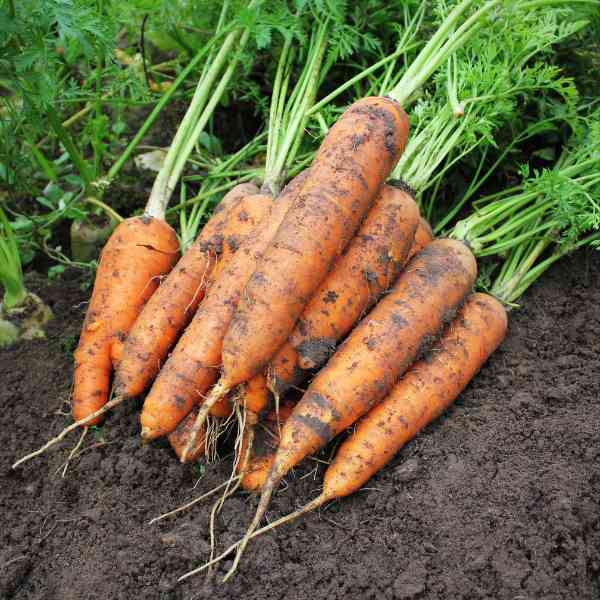
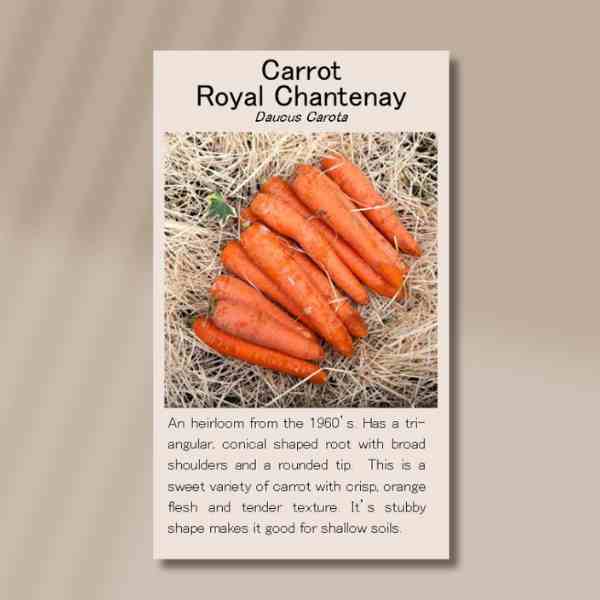
As the name suggests, the Carrot Royal Chantenay traces its roots back to the Chantenay region of France, where this style of carrot was first selected and cherished for its reliability and flavour. The Royal Chantenay is a small, sweet variety with a lovely orange flesh and a crisp, fine texture. Gardeners and cooks alike often describe its flavour as “the way carrots used to taste” , rich, sweet, and earthy, without the watery blandness that sometimes creeps into modern supermarket produce.
Unlike long, tapering carrots that demand deep, loose soil, the Royal Chantenay grows with broad shoulders and a blunt tip making it one of the more forgiving carrots to grow in a variety of soil conditions. Whether tucked into containers on a balcony, sown in raised beds, or grown in heavier garden soils, this variety adapts beautifully. In fact, Chantenay types are often recommended where other carrots might struggle.
When it comes to the table, the Royal Chantenay earns its reputation as a true all-purpose carrot. Fresh from the garden, a quick wash in cold water is often all that’s needed before it’s ready to crunch into. It’s delicious in salads, where its sweetness balances leafy greens and sharper dressings. Roasted, it caramelises beautifully, with its natural sugars intensifying in the oven. Steamed or boiled, it retains its flavour and colour, making it a dependable side dish. Its size also makes it a great candidate for stir-fries or even a simple snack on the go.
One of the most charming aspects of the Royal Chantenay is its appeal to children. The small size and sweet crunch make it a natural favourite with little hands and appetites. A single carrot is just the right size to fit snugly into the palm of a child, making it an ideal snack straight from the garden.
It’s worth remembering that the Royal Chantenay has been around for decades, if not centuries, and its persistence is no accident. Gardeners have carried it forward generation after generation not for novelty, but because it performs consistently. Its shape, its taste, and its adaptability have all contributed to its reputation as one of the most reliable heirloom carrots available.
| Method: Sow direct | Soil Temp: 8°C - 30°C |
| Cool Mountain: Sep - Feb | Position: Full sun |
| Arid: Jan - Dec | Row Spacing: 10cm apart |
| Temperate: Sep - May | Planting Depth: 3mm |
| Sub Tropical: Feb - May | Harvest: 60 days |
| Tropical: Apr - Jun | Plant Height: 13cm |
🌱 Sowing: In Trays vs. Direct in the Ground
Carrots are one of the few crops where sowing directly into the soil is strongly recommended. Their long, sensitive taproots don’t take well to being disturbed, so transplanting from trays often leads to forking, stunted growth, or twisted roots.
❌ Sowing in Trays:
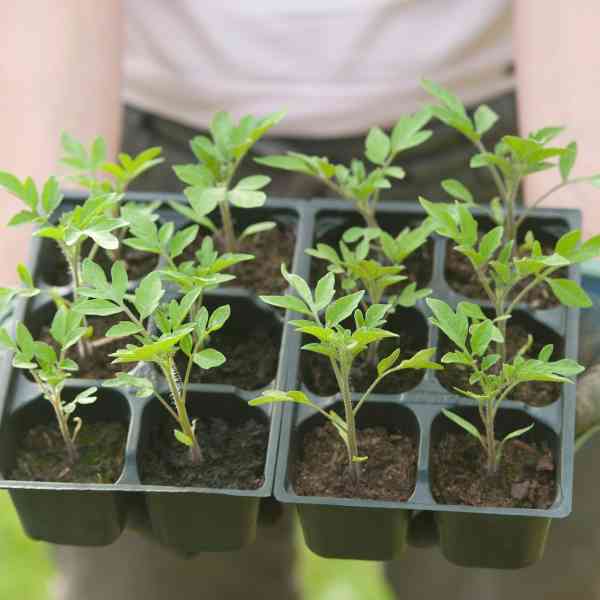
While it might be tempting—especially in cooler regions or controlled environments—carrots really dislike having their roots disturbed. Even so-called “deep cell” trays or biodegradable pots rarely yield good results for carrots.
✅ Direct Sowing:
Carrot seeds are best sown straight into the ground where they’ll grow to maturity. Choose a fine, friable soil, clear of rocks and clumps, and take your time spacing the seeds evenly.
Sowing tips:
- Sow thinly in rows about 20–30 cm apart.
- Cover seeds lightly—just 5 mm deep is enough.
- Keep the soil consistently moist during germination, which can take 10–21 days, especially in cooler weather.
🧂 Seed Pre-Treatment: Is it Needed?
Carrot seeds have a naturally tough outer coat and a reputation for slow germination. While pre-treatment isn’t strictly necessary, it can help speed things along.
Pre-treatment tips:
- Soak seeds in water for 12–24 hours before sowing.
- Alternatively, pre-germinate by placing seeds between damp paper towels in a warm place for 3–5 days, then sow once tiny root tips appear.
- Use a fine sand mix to help space out seeds more evenly at sowing time.
🪴 Soil & Position
Carrots love light, loose, well-drained soil with low nitrogen levels. The soil needs to be deep and stone-free—especially for longer varieties like ‘Danvers’ or ‘Kuroda’.
Ideal soil:
- Sandy loam or loamy soils are best.
- Avoid heavy clay or compacted soils unless well-improved with organic matter.
- pH should sit around 6.0 to 6.8.
Position:
- Full sun is ideal—at least 6 hours daily.
- In hotter regions, light afternoon shade can help keep roots sweet and prevent bolting.
🌿 Care & Maintenance
Carrots are fairly low-maintenance once established, but a little regular attention ensures straight, sweet roots.
Watering:
- Keep soil evenly moist but not soggy.
- Water deeply and infrequently once established to encourage long root growth.
Thinning:
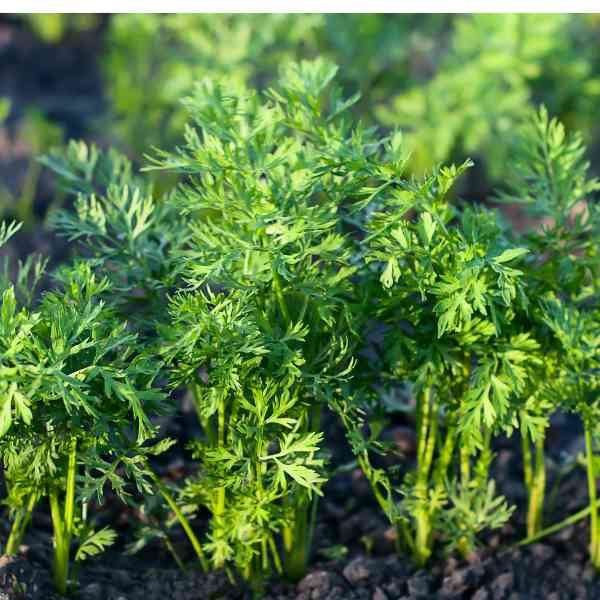
- Thin seedlings when they’re about 5 cm tall to 2–4 cm apart (depending on variety).
- Snip extras with scissors to avoid disturbing neighbours.
Feeding:
- Carrots don’t need rich soils—avoid fresh compost or manure, which encourages excess foliage and forked roots.
- A light feed with seaweed solution can help during early growth.
🌸 Companion Planting Guide
Carrots enjoy good company, and clever companion planting can help deter pests and improve flavour.
Best companions:
- Onions, leeks, spring onions – deter carrot fly.
- Radishes – break up the soil quickly and mature earlier.
- Lettuce – shallow roots won’t compete.
- Peas and beans – add nitrogen, indirectly benefiting leaf growth.
Plants to avoid:
- Dill and parsnip – closely related and attract similar pests.
- Celery – can crowd carrots and compete for nutrients.
🧺 Harvesting
Carrots can be harvested at almost any stage—from baby thinnings to full-size roots.
- Maturity takes 10–16 weeks, depending on variety.
- Loosen the soil gently before pulling to avoid snapping the roots.
- Taste improves after a light frost in cooler climates.
- For storage, twist off tops and store roots in sand or crisper drawers.
🐛 Common Issues and Fixes
| Issue | Symptoms | Fixes |
|---|---|---|
| Poor germination | Patchy rows, no seedlings | Pre-soak seeds, keep soil moist, don’t sow too deep |
| Forked/misshapen roots | Split or twisted carrots | Remove rocks, avoid transplanting, don’t over-fertilise |
| Carrot fly | Rusty, tunneling damage in roots | Use fine mesh row covers, sow with alliums, avoid thinning in daylight |
| Green shoulders | Top of carrot turns green | Hill soil around shoulders as they grow |
| Bolting | Early flower stalks form | Sow at the right time (avoid extremes), water consistently |
🌼 Seed Saving Guide
Saving carrot seed is a longer journey—but worth it if you’re keen to preserve your favourite varieties. Carrots are biennials, meaning they produce seed in their second year.
Step-by-step seed saving:
- Choose open-pollinated (non-hybrid) varieties for seed saving.
- Let a few of the best roots overwinter in the ground or lift and store them in damp sand.
- Replant selected carrots in early spring of the second year.
- Carrots will flower and produce tall umbels (umbrella-like flower heads).
- Isolate from Queen Anne’s Lace (wild carrot) and other carrot varieties to avoid cross-pollination (at least 800 m apart).
- Let seeds mature and dry fully on the plant—heads will brown and dry out.
- Collect seeds, separate from chaff, and store in a cool, dry place for up to 3 years.
Note: You’ll need at least 20–40 plants for strong seed genetic diversity.
🌻 Final Thoughts
Growing carrots is a bit of a slow burn, but it’s well worth the wait. With some thoughtful soil prep, gentle thinning, and good moisture levels, you’ll be rewarded with crisp, sweet roots in a rainbow of colours and shapes. If you’re new to carrot growing, start with a fast-maturing variety like ‘Little Finger’ or ‘Amsterdam Forcing’ to get a quicker taste of success.
Whether you’re harvesting baby roots for salads or letting them bulk up for winter stews, carrots are a homegrown joy. 🌿
2 reviews for Carrot Royal Chantenay
| 5 star | 50% | |
| 4 star | 50% | |
| 3 star | 0% | |
| 2 star | 0% | |
| 1 star | 0% |

Postage Charge
Orders under $35 attract a $4.95 shipping charge. Orders $35 and above have free shipping.
Order Times
Seed orders are normally dispatched within three business days. You will receive an email when seeds are mailed out.
Postage Days
Seeds are mailed out Tuesday to Friday at 1pm. Except for the Friday of long weekends.
Postage Times
WA 2-3 Days: SA,NT 3-5 Days: NSW, ACT, QLD, VIC: 5-7 Days
Carrier
We use Australia Post Letter Postage for the majority of orders
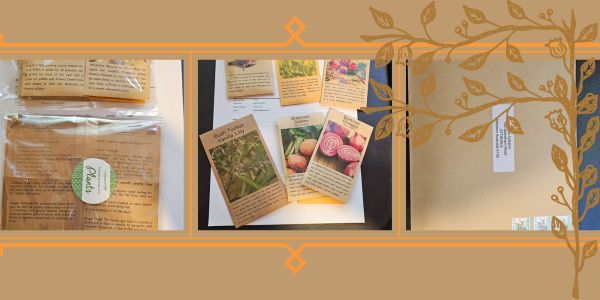
Not only are our seeds packed in recycled paper envelopes, we keep the theme going when we post out website orders. To protect your seeds from moisture and the letter box munchers (snails), we use a very special plastic free material made from plants. They are then put into recycled mailing envelopes. Green all the way 💚🌿
Delivery Guarantee
We take great care to make sure your seeds arrive safely. If your order is lost or damaged in transit, we’ll happily send a replacement. Unfortunately, we can’t replace or refund orders that arrive later than the estimated delivery date, as delays can sometimes occur that are outside our control.
Please note that all dispatch and delivery times listed are estimates only. While we do our best to post promptly, delivery timeframes can vary due to postal service delays, weather events, or other unforeseen circumstances. We’re unable to take responsibility for any loss, damage, or cost that results from a late delivery.
An order is not considered missing until at least 20 business days have passed from the postage date. You’ll receive an email once your seeds have been posted, letting you know they’re on their way. If you don’t see it in your main inbox, please check your Spam or Promotions folders as sometimes our emails like to hide there.

Haven’t planted yet
See all our verified customer reviews on our official CusRev profile.
See all our verified customer reviews on our official CusRev profile.