




Carrot Thumbelina
$4.95
Daucus Carota
- Seed Count 1000
- Small Round Ball
- Biennial Grown As An Annual
In stock
Description
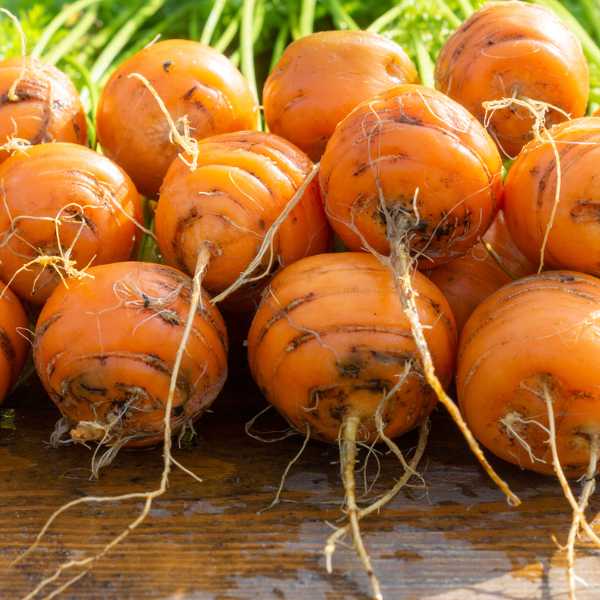
Carrot Thumbelina, also known as the Paris Market carrot, was first cultivated in France during the 19th century, and this compact, round carrot has never really gone out of style. It does what all good varieties do: grows quickly, tastes wonderful, and doesn’t fuss about perfect soil. For gardeners who like a vegetable that fits into any garden space and still earns its keep, this little carrot is hard to beat.
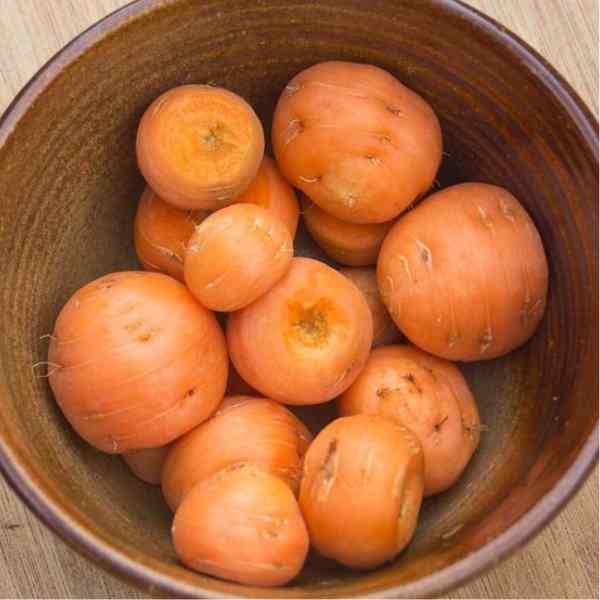
Instead of the long, tapered form that most carrots have, these grow into neat, round roots that look like small orange globes. They are smooth-skinned, easy to clean, and have a satisfying weight in the hand.. The flesh is fine-grained and crisp, with a sweetness that feels balanced rather than sugary. There’s a mild earthy undertone, typical of older carrot varieties, that gives them depth and makes them versatile in both raw and cooked dishes.
Thumbelina’s story began in the market gardens of Paris, where growers needed compact crops that could thrive in shallow or rocky soil near the city. Traditional long-rooted carrots often struggled there, bending or forking when they met stones. This small, round variety proved to be the perfect answer. It grew quickly, looked tidy in bunches, and didn’t mind less-than-perfect conditions. That practicality helped it spread through out the world, as it earned its reputation as the carrot for difficult soils. Today, that same resilience makes it a great choice for home gardens across Australia, where soil types can vary widely from sandy coastal beds to heavier inland clays.
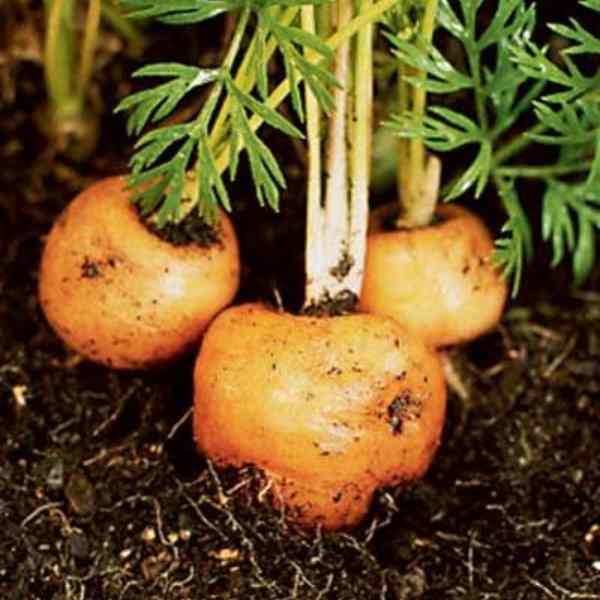
Because it grows down only a few centimeters, it is ideal for raised beds, pots, and grow bags. If you’ve ever struggled to grow straight carrots in compacted soil, Thumbelina will likely surprise you. Its shape allows it to develop fully even when space is tight. The short root system also helps it cope with conditions that might defeat other varieties, such as patches where the soil dries out quickly or where roots tend to twist around each other.
It is also quick to mature. The little round roots are ready to harvest in what feels like no time at all, which suits gardeners who enjoy a steady turnover of crops. The roots typically reach about 2.5 centimeters in diameter, and they hold well in the ground without losing their tenderness.
Thumbelina has that old-fashioned carrot taste that’s both rich and refreshing, with just the right balance of sweetness and depth. When eaten raw, the crunch is clean and juicy, almost like biting into an apple. Cooked, they hold their colour beautifully and turn meltingly tender without losing shape. Roasting brings out their natural sugars, creating a caramelised finish that pairs well with herbs, butter, or honey. They also do well in stews and soups, where they add both sweetness and colour. Many cooks find that these small, uniform roots are easy to prepare and look lovely whole on the plate.
For families, Thumbelina is a favourite with children. The small, round carrots are easy for little hands to pull from the soil and make cheerful snacks straight from the garden. Their mild, sweet flavour is appealing even to those who usually find carrots too earthy. They’re also the perfect size for lunchboxes or for tossing into salads where their shape adds a bit of fun.
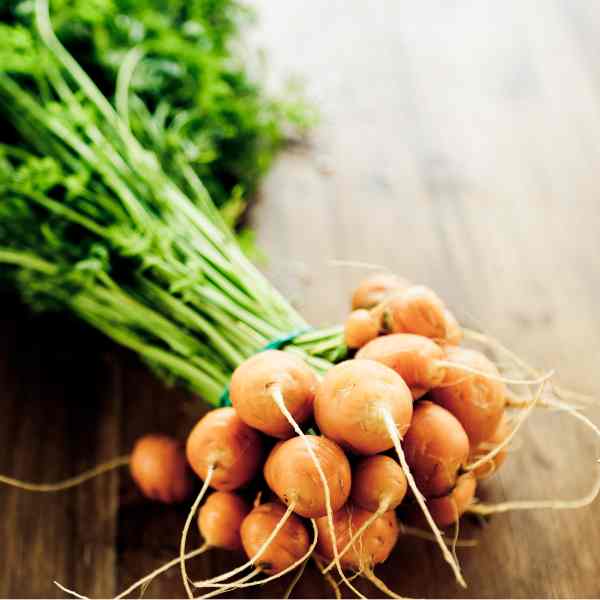
In terms of appearance, Thumbelina plants are neat and compact, with fine, feathery foliage that looks lush without sprawling. The tops make a pleasant addition to the garden bed, giving a soft, green texture among other vegetables. The roots themselves stand slightly proud above the soil, so they are easy to spot when ready for harvest. If left to grow, they stay uniform in shape and size, which is one reason market gardeners loved them so much. They make a beautiful display in bunches, their smooth orange skins glinting in the sunlight.
One of Thumbelina’s unsung strengths is how well it stores. The dense, compact roots have less exposed surface area than long carrots, which helps them retain moisture and freshness for longer periods. When kept cool and dry, they can last for weeks without shriveling or losing flavour. They also travel well, which is why they were once a favourite for local market stalls..
| Method: Sow direct | Soil Temp: 8°C - 30°C |
| Cool Mountain: Sep - Feb | Position: Full sun |
| Arid: Jan - Dec | Row Spacing: 10cm apart |
| Temperate: Sep - May | Planting Depth: 3mm |
| Sub Tropical: Feb - May | Harvest: 60 days |
| Tropical: Apr - Jun | Plant Height: 13cm |
🌱 Sowing: In Trays vs. Direct in the Ground
Carrots are one of the few crops where sowing directly into the soil is strongly recommended. Their long, sensitive taproots don’t take well to being disturbed, so transplanting from trays often leads to forking, stunted growth, or twisted roots.
❌ Sowing in Trays:
While it might be tempting—especially in cooler regions or controlled environments—carrots really dislike having their roots disturbed. Even so-called “deep cell” trays or biodegradable pots rarely yield good results for carrots.
✅ Direct Sowing:
Carrot seeds are best sown straight into the ground where they’ll grow to maturity. Choose a fine, friable soil, clear of rocks and clumps, and take your time spacing the seeds evenly.
Sowing tips:
- Sow thinly in rows about 20–30 cm apart.
- Cover seeds lightly—just 5 mm deep is enough.
- Keep the soil consistently moist during germination, which can take 10–21 days, especially in cooler weather.
🧂 Seed Pre-Treatment: Is it Needed?
Carrot seeds have a naturally tough outer coat and a reputation for slow germination. While pre-treatment isn’t strictly necessary, it can help speed things along.
Pre-treatment tips:
- Soak seeds in water for 12–24 hours before sowing.
- Alternatively, pre-germinate by placing seeds between damp paper towels in a warm place for 3–5 days, then sow once tiny root tips appear.
- Use a fine sand mix to help space out seeds more evenly at sowing time.
🪴 Soil & Position
Carrots love light, loose, well-drained soil with low nitrogen levels. The soil needs to be deep and stone-free—especially for longer varieties like ‘Danvers’ or ‘Kuroda’.
Ideal soil:
- Sandy loam or loamy soils are best.
- Avoid heavy clay or compacted soils unless well-improved with organic matter.
- pH should sit around 6.0 to 6.8.
Position:
- Full sun is ideal—at least 6 hours daily.
- In hotter regions, light afternoon shade can help keep roots sweet and prevent bolting.
🌿 Care & Maintenance
Carrots are fairly low-maintenance once established, but a little regular attention ensures straight, sweet roots.
Watering:
- Keep soil evenly moist but not soggy.
- Water deeply and infrequently once established to encourage long root growth.
Thinning:
- Thin seedlings when they’re about 5 cm tall to 2–4 cm apart (depending on variety).
- Snip extras with scissors to avoid disturbing neighbours.
Feeding:
- Carrots don’t need rich soils—avoid fresh compost or manure, which encourages excess foliage and forked roots.
- A light feed with seaweed solution can help during early growth.
🌸 Companion Planting Guide
Carrots enjoy good company, and clever companion planting can help deter pests and improve flavour.
Best companions:
- Onions, leeks, spring onions – deter carrot fly.
- Radishes – break up the soil quickly and mature earlier.
- Lettuce – shallow roots won’t compete.
- Peas and beans – add nitrogen, indirectly benefiting leaf growth.
Plants to avoid:
- Dill and parsnip – closely related and attract similar pests.
- Celery – can crowd carrots and compete for nutrients.
🧺 Harvesting
Carrots can be harvested at almost any stage—from baby thinnings to full-size roots.
- Maturity takes 10–16 weeks, depending on variety.
- Loosen the soil gently before pulling to avoid snapping the roots.
- Taste improves after a light frost in cooler climates.
- For storage, twist off tops and store roots in sand or crisper drawers.
🐛 Common Issues and Fixes
| Issue | Symptoms | Fixes |
|---|---|---|
| Poor germination | Patchy rows, no seedlings | Pre-soak seeds, keep soil moist, don’t sow too deep |
| Forked/misshapen roots | Split or twisted carrots | Remove rocks, avoid transplanting, don’t over-fertilise |
| Carrot fly | Rusty, tunneling damage in roots | Use fine mesh row covers, sow with alliums, avoid thinning in daylight |
| Green shoulders | Top of carrot turns green | Hill soil around shoulders as they grow |
| Bolting | Early flower stalks form | Sow at the right time (avoid extremes), water consistently |
🌼 Seed Saving Guide
Saving carrot seed is a longer journey—but worth it if you’re keen to preserve your favourite varieties. Carrots are biennials, meaning they produce seed in their second year.
Step-by-step seed saving:
- Choose open-pollinated (non-hybrid) varieties for seed saving.
- Let a few of the best roots overwinter in the ground or lift and store them in damp sand.
- Replant selected carrots in early spring of the second year.
- Carrots will flower and produce tall umbels (umbrella-like flower heads).
- Isolate from Queen Anne’s Lace (wild carrot) and other carrot varieties to avoid cross-pollination (at least 800 m apart).
- Let seeds mature and dry fully on the plant—heads will brown and dry out.
- Collect seeds, separate from chaff, and store in a cool, dry place for up to 3 years.
Note: You’ll need at least 20–40 plants for strong seed genetic diversity.
🌻 Final Thoughts
Growing carrots is a bit of a slow burn, but it’s well worth the wait. With some thoughtful soil prep, gentle thinning, and good moisture levels, you’ll be rewarded with crisp, sweet roots in a rainbow of colours and shapes. If you’re new to carrot growing, start with a fast-maturing variety like ‘Little Finger’ or ‘Amsterdam Forcing’ to get a quicker taste of success.
Whether you’re harvesting baby roots for salads or letting them bulk up for winter stews, carrots are a homegrown joy. 🌿
1 review for Carrot Thumbelina
| 5 star | 100% | |
| 4 star | 0% | |
| 3 star | 0% | |
| 2 star | 0% | |
| 1 star | 0% |

Postage Charge
Orders under $35 attract a $4.95 shipping charge. Orders $35 and above have free shipping.
Order Times
Seed orders are normally dispatched within three business days. You will receive an email when seeds are mailed out.
Postage Days
Seeds are mailed out Tuesday to Friday at 1pm. Except for the Friday of long weekends.
Postage Times
WA 2-3 Days: SA,NT 3-5 Days: NSW, ACT, QLD, VIC: 5-7 Days
Carrier
We use Australia Post Letter Postage for the majority of orders
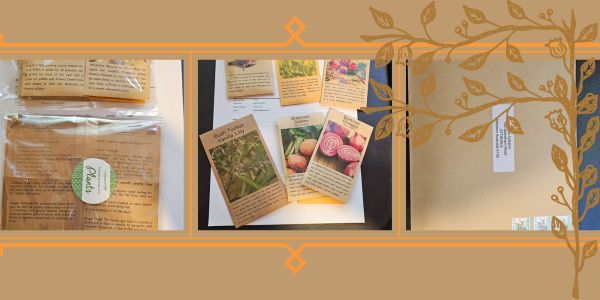
Not only are our seeds packed in recycled paper envelopes, we keep the theme going when we post out website orders. To protect your seeds from moisture and the letter box munchers (snails), we use a very special plastic free material made from plants. They are then put into recycled mailing envelopes. Green all the way 💚🌿
Delivery Guarantee
We take great care to make sure your seeds arrive safely. If your order is lost or damaged in transit, we’ll happily send a replacement. Unfortunately, we can’t replace or refund orders that arrive later than the estimated delivery date, as delays can sometimes occur that are outside our control.
Please note that all dispatch and delivery times listed are estimates only. While we do our best to post promptly, delivery timeframes can vary due to postal service delays, weather events, or other unforeseen circumstances. We’re unable to take responsibility for any loss, damage, or cost that results from a late delivery.
An order is not considered missing until at least 20 business days have passed from the postage date. You’ll receive an email once your seeds have been posted, letting you know they’re on their way. If you don’t see it in your main inbox, please check your Spam or Promotions folders as sometimes our emails like to hide there.

See all our verified customer reviews on our official CusRev profile.