

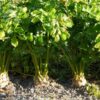

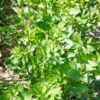
Celeriac Talar
$4.95
Apium Graveolens var. Rapaceus
- Seed Count 1000
- Root Vegetable
- Hardy Biennial
Only 4 left in stock
Description
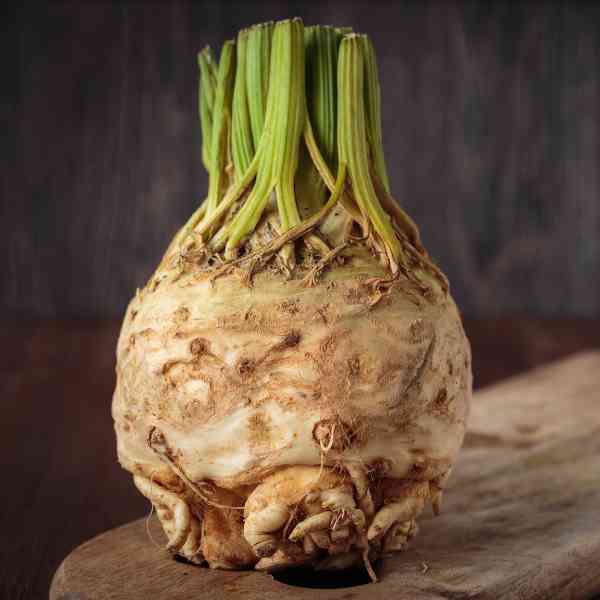
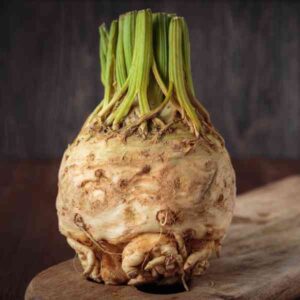
What makes Celeriac Talar special is the quality of the bulbs it produces. Each root forms with a pleasing density and a fine-grained texture that gives you a sense of substance when you pick it up. The white flesh is smooth once peeled and holds its colour beautifully after cooking.
The flavour is a gentle blend of celery, apple and a touch of walnut. The bulb can be grated raw into salads or sliced into matchsticks with a simple dressing. It also roasts beautifully, turning soft and creamy in the centre while developing a light caramelised edge. Steaming or boiling it brings out the sweetness, and it blends easily into soups and stews where it adds body and flavour without taking over.
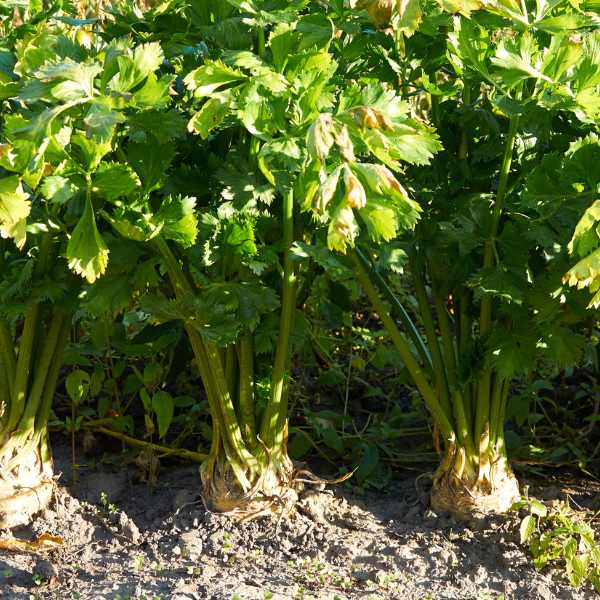
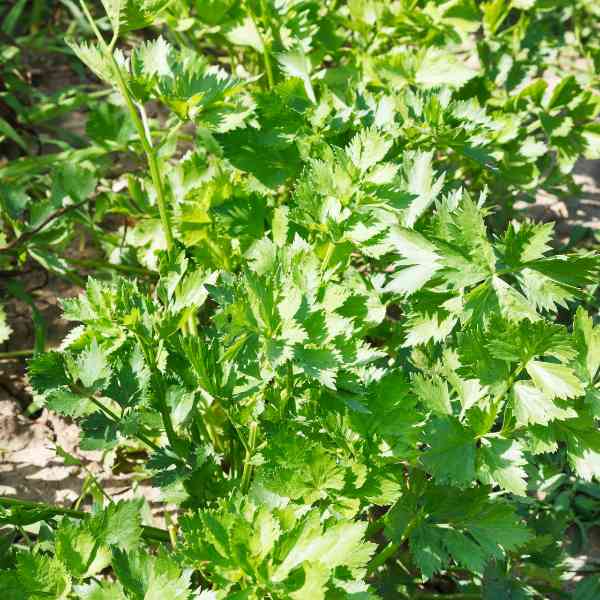
One thing gardeners sometimes forget is that celeriac offers more than just the bulb. The stems and leaves are edible too. They carry a celery-like flavour that works well in stocks, stuffing’s or any recipe where you want a mild savoury note. It is always nice when a plant offers more than one edible part, especially in a small backyard patch where every bit of space matters.
Celeriac Talar stores well long after harvest, keeping both its texture and its distinctive flavour. When the weather turns cold and you want a vegetable that can sit in the pantry or fridge without losing quality, this variety performs reliably.
As someone who spends a lot of time observing how plants behave, I appreciate vegetables that do their job with minimal fuss. Celeriac Talar fits neatly into that category. It develops into a strong, consistent root. It holds well in the ground. It gives you a steady harvest.
| Method: Raise seedlings | Soil Temp: 8°C - 21°C |
| Cool Mountain: Oct - Jan | Position: Full sun |
| Arid: Jul - Sep | Row Spacing: 60 cm apart |
| Sub Tropical: Mar - Oct | Planting Depth: 5 mm |
| Temperate: Sep/Dec, May/Mar | Harvest: 120 days |
| Tropical: Apr - Jul | Plant Height: 20 cm |
🌱 Sowing – Trays vs. Direct
Celeriac is a slow starter, so it’s best to begin with trays. Direct sowing is generally not recommended unless you’re in a very mild climate with plenty of time and moisture to support its early growth.
📦 Sowing in Trays (Recommended)
- When to start: Late summer to early autumn is ideal in most parts of Australia—this gives plants plenty of time to bulk up before winter slows them down.
- Seed pre-treatment: Not essential, but soaking seeds overnight in warm water can help speed up germination, which can otherwise take 2–3 weeks.
- Tray setup: Use deep cell trays with premium seed-raising mix. Seeds need light to germinate, so press them into the surface rather than covering them.
- Moisture: Keep trays evenly moist but not soggy, and place in a bright, sheltered position.
- Transplanting: Once seedlings have 2–3 true leaves and are large enough to handle (about 6–8 weeks), they can be hardened off and planted out.
🌱 Direct Sowing (Not Ideal)
Celeriac is slow to germinate and can struggle with weed competition early on, so direct sowing is risky unless conditions are very well-controlled. If trying it:
- Choose a weed-free, fine seedbed.
- Sow thinly and keep moist.
- Be prepared for slow, uneven germination.
🌞 Soil & Position
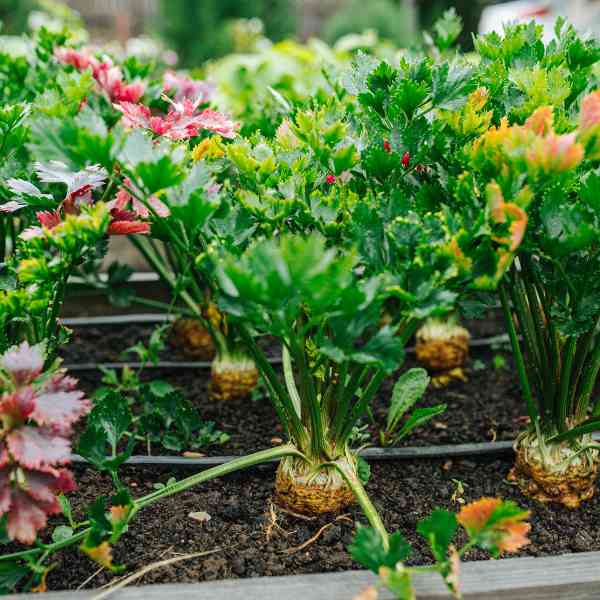
Celeriac is a hungry and thirsty plant—it needs rich soil and consistent water to develop that big knobbly root.
- Soil: Deep, fertile, well-drained soil enriched with aged compost or well-rotted manure. A pH between 6.5 and 7.5 is best.
- Position: Full sun to part shade. In warmer zones, a little afternoon shade can help prevent stress.
- Bed prep: Work soil deeply and remove any stones or clumps that might impede root growth. Mulch heavily to retain moisture and suppress weeds.
🌿 Care & Maintenance
Celeriac rewards steady attention—think of it as a slow-growing house guest that just needs a bit of consistency.
- Watering: Never let it dry out. Keep the soil evenly moist—mulch helps a lot here.
- Feeding: Apply a liquid feed high in potassium and phosphorus (like seaweed or comfrey tea) every 2–3 weeks.
- Weeding: Keep beds clear—celeriac doesn’t like competition.
- Thinning/Clearing Stems: As the plant matures, you can remove outer leaves and side shoots to direct more energy to the bulb.
🧄 Companion Planting Guide
Celeriac appreciates some plant friends nearby, especially those that help keep pests at bay.
Good Companions:
- Leeks & Onions: Help deter pests and love similar conditions.
- Carrots & Parsnips: Also root crops, with similar growing needs.
- Spinach & Lettuce: Quick growers that make good use of space early on.
Avoid:
- Celery: Too closely related; they compete for nutrients and may share diseases.
- Corn & Cucurbits: Too greedy or sprawling for the slow-growing celeriac.
🧺 Harvesting
Celeriac takes 5–6 months from sowing to harvest. Don’t rush it—larger roots develop best in cool weather.
- When to harvest: When the swollen root is 10–15 cm across. You can harvest as needed from mid to late winter, even into early spring.
- How: Use a garden fork to gently lift roots. Shake off excess soil and trim leaves.
- Storage: Celeriac stores well in the fridge or a cool shed. Brush off soil but don’t wash until ready to use.
🐛 Common Issues & Fixes
Here’s a handy table to troubleshoot common celeriac issues:
| Issue | Symptoms | Fix |
|---|---|---|
| Poor root development | Small, fibrous, or misshapen roots | Needs more feeding & water. Thin early and remove outer stems. |
| Leaf yellowing | Nutrient deficiency or water stress | Feed with balanced liquid fertiliser; ensure consistent watering. |
| Bolting (flowering early) | Long hot spells or transplant shock | Plant at correct time; don’t let seedlings dry out. |
| Celery leaf miner | Tunnels in leaves | Remove affected leaves; use row covers if needed. |
| Slugs & snails | Chewed leaves, especially on seedlings | Use barriers or traps; mulch with crushed eggshells or diatomaceous earth. |
🌾 Seed Saving Guide
Saving celeriac seed takes patience and planning, as it’s a biennial—it flowers in its second year.
1. Select plants
- Choose your healthiest, most vigorous plants with well-formed roots.
- Only save seed from true-to-type, non-hybrid varieties.
2. Overwintering
- In most parts of Australia, you can leave a few plants in the ground and let them overwinter. In cold areas, lift and store them in sand, replanting in early spring.
3. Pollination
- Celeriac is insect-pollinated and cross-pollinates easily with celery and wild relatives.
- To maintain purity, isolate by at least 500m to 1km if you’re saving seed.
4. Seed Collection
- In the second year, tall umbels will form. Let them dry on the plant.
- Harvest when seeds are brown and dry, usually late summer.
- Dry further indoors and clean by rubbing and winnowing.
5. Storage
- Store in a cool, dry, dark place in airtight containers.
- Label with the year—viability is about 3–4 years.
🌼 Final Thoughts
Growing celeriac is a little like nurturing a fine wine or a slow-rise sourdough—there’s a rhythm to it, and it’s not for the impatient. But that’s okay! It’s all part of the learning. If you stick with it, give it good food and steady water, and remember to enjoy the journey, you’ll be tucking into a hearty winter root with real depth of flavour—and a sense of pride too.
So why not tuck a tray of celeriac seeds into your late summer sowings? A little effort now sets the stage for something quite special down the track. Happy growing 🌱
2 reviews for Celeriac Talar
| 5 star | 50% | |
| 4 star | 50% | |
| 3 star | 0% | |
| 2 star | 0% | |
| 1 star | 0% |

Postage Charge
Orders under $35 attract a $4.95 shipping charge. Orders $35 and above have free shipping.
Order Times
Seed orders are normally dispatched within three business days. You will receive an email when seeds are mailed out.
Postage Days
Seeds are mailed out Tuesday to Friday at 1pm. Except for the Friday of long weekends.
Postage Times
WA 2-3 Days: SA,NT 3-5 Days: NSW, ACT, QLD, VIC: 5-7 Days
Carrier
We use Australia Post Letter Postage for the majority of orders
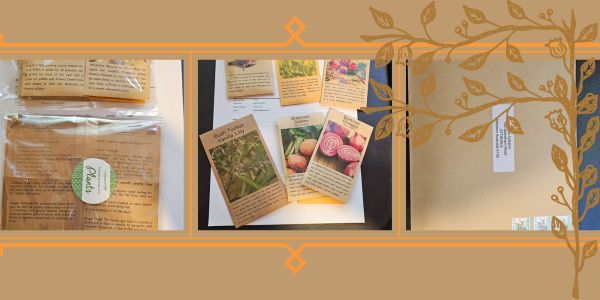
Not only are our seeds packed in recycled paper envelopes, we keep the theme going when we post out website orders. To protect your seeds from moisture and the letter box munchers (snails), we use a very special plastic free material made from plants. They are then put into recycled mailing envelopes. Green all the way 💚🌿
Delivery Guarantee
We take great care to make sure your seeds arrive safely. If your order is lost or damaged in transit, we’ll happily send a replacement. Unfortunately, we can’t replace or refund orders that arrive later than the estimated delivery date, as delays can sometimes occur that are outside our control.
Please note that all dispatch and delivery times listed are estimates only. While we do our best to post promptly, delivery timeframes can vary due to postal service delays, weather events, or other unforeseen circumstances. We’re unable to take responsibility for any loss, damage, or cost that results from a late delivery.
An order is not considered missing until at least 20 business days have passed from the postage date. You’ll receive an email once your seeds have been posted, letting you know they’re on their way. If you don’t see it in your main inbox, please check your Spam or Promotions folders as sometimes our emails like to hide there.
See all our verified customer reviews on our official CusRev profile.
Well packaged and great information listed on the packet
See all our verified customer reviews on our official CusRev profile.