🌻 Growing Vegetables in Containers
If you’re dreaming of fresh homegrown vegetables but don’t have room for a big backyard plot, container gardening might be your perfect solution. You don’t need fancy equipment or acres of soil. Just a few pots, a sunny spot, and some good-quality potting mix will get you started. Almost any vegetable can be grown in a container when given the right care, so let’s walk through how to make your own little harvest happen.
🪴 Choosing Containers
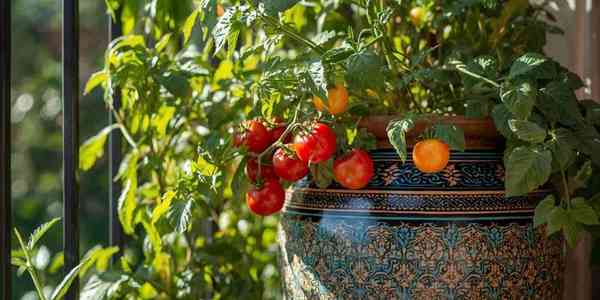
When it comes to containers, you have a lot of freedom. Anything from a large ceramic pot to a recycled tub or sturdy bucket can make a great home for your vegetables, as long as it drains well. The key is size. Larger containers hold more soil, which means they hold more moisture and nutrients. Smaller pots dry out quickly and can heat up fast in the sun, which puts stress on your plants.
As a general rule, start with pots that hold at least 10 litres or measure about 25 cm deep and across. If you can go bigger, do! Your plants will reward you with stronger growth and better harvests.
Fabric grow bags are another excellent choice. They breathe well, drain freely, and encourage strong, fibrous roots. They’re also easy to move around if you need to chase or escape the sun during the day.
🌱 Potting Mix and Soil Health
Avoid the temptation to scoop up soil from your garden beds. It tends to be too heavy for containers and can hold too much water, which may cause roots to rot. Garden soil might also hide weed seeds and pests that will compete with your young plants.
Instead, invest in a high-quality potting mix that carries the Australian Standards logo. These mixes are specially designed to drain well while still holding enough moisture for plant roots. Many are blended with organic material and slow-release fertiliser, which gives your vegetables a steady supply of nutrients.
You can boost your mix even further by adding a few handfuls of compost, aged manure, or worm castings. These organic materials enrich the soil life inside your pots and help keep your plants thriving through the season.
🌞 Finding the Right Sunlight
Most vegetables love sunshine. Aim for a spot that receives at least six hours of direct sun each day, though eight to ten hours is even better. This might be along a north-facing wall, on a balcony, or near a sunny patio.
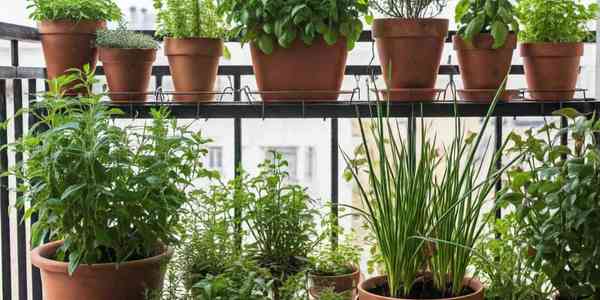
If your space gets less than six hours, you can still grow plenty of herbs and leafy greens such as lettuce, spinach, rocket, and parsley. These crops don’t mind partial shade and will still grow happily with a little less light.
In very hot regions, a touch of afternoon shade can actually help your plants. Too much direct heat, especially reflected off hard surfaces like concrete or brick, can scorch tender leaves and dry soil out quickly. Try to avoid dark or metal containers, as they trap heat and can bake your plant’s roots.
🌿 Supporting Your Plants
Some vegetables are natural climbers and will do best with something to lean on. Trellises, stakes, or even an old tomato cage can make a huge difference. Support structures keep vines off the ground, improve airflow, and make harvesting easier.
It’s always best to put your supports in before planting. That way, you won’t disturb the roots later on. Beans, peas, tomatoes, cucumbers, and even zucchinis can all be trained to grow upwards. This vertical approach saves space and helps your garden feel lush and abundant.
💧 Watering Wisely
Container gardening and watering go hand in hand. Because your plants only have a limited amount of soil, it can dry out quickly. On warm or windy days, you may need to water daily, especially during summer.
The trick is to keep the soil evenly moist, not soggy. Check your pots every day by pressing your finger a few centimetres into the mix. If it feels dry, it’s time to water. Always water deeply until a little moisture seeps out the bottom. This ensures that the entire root zone gets a drink.
Mulching the top of your pots with lucerne, sugar cane, or straw helps keep moisture in and protects the surface from drying out too fast.
🧄 Feeding Your Plants
Container plants work hard, and because nutrients are washed out each time you water, they need a little extra feeding. Add a slow-release fertiliser at planting time, following the packet directions for pots. Then top up every few weeks with a liquid fertiliser or compost tea to encourage lush, productive growth.
A 5–10 cm layer of compost between crops will refresh the soil and add organic matter. Remember that vegetables are hungry plants, so regular feeding really pays off in healthier leaves and more generous harvests.
🥕 Vegetables That Thrive in Containers
While almost anything can be grown in a pot, some vegetables adapt especially well. Choose compact or bush varieties wherever possible.
Good choices include:
- Tomatoes (especially determinate or patio types)
- Carrots and baby beets
- Peas and beans
- Zucchini (bush types)
- Capsicum and chilli
- Lettuce, spinach, kale, and other leafy greens
- Asian greens, herbs, and mini cabbages
Mix and match your containers so you have a variety of colours and textures growing together.
🌾 How the Professionals Do It
Professional growers treat container gardening as a science. They focus on creating a consistent, balanced environment for their plants.
Here’s what they do differently:
- Use commercial-grade potting blends with added perlite or coco coir for perfect drainage and aeration.
- Set up drip irrigation systems or self-watering pots to maintain constant moisture levels without waste.
- Feed regularly with liquid fertiliser, adjusting nutrients depending on the plant’s stage of growth.
- Rotate crops between containers to prevent disease build-up and keep the soil mix fresh.
- Use mulch and shade cloth strategically to protect roots and control temperature.
- Monitor pH and EC (electrical conductivity) in the soil to ensure nutrient balance, especially for fruiting vegetables.
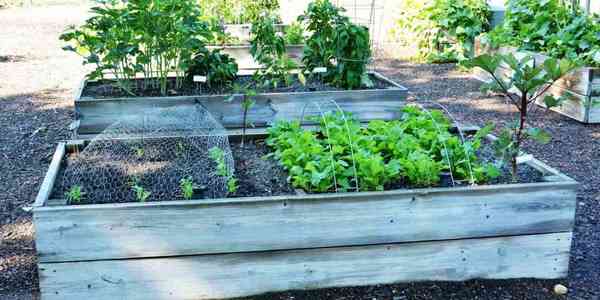
While home gardeners don’t need to go to these lengths, borrowing a few of these professional habits can make a big difference. A simple drip line, a quality mix, and a feeding schedule can turn a few patio pots into a highly productive mini farm.
🧺 A Harvest to Be Proud Of
Container vegetable gardening is flexible, rewarding, and ideal for small spaces. With a bit of daily care and the right setup, your pots will soon overflow with fresh herbs and vegetables ready for the kitchen. Learn as you go, keep experimenting with new crops, and enjoy the simple pleasure of picking your own homegrown food right outside your door.