

Dill
$4.95
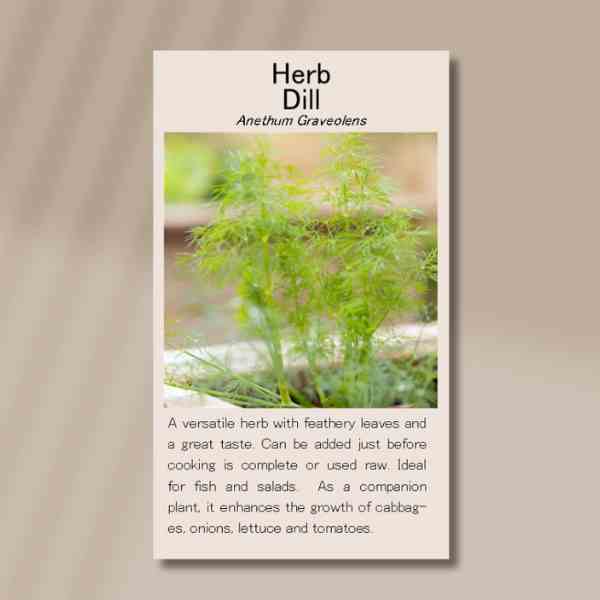
Anethum Graveolens
- Seed Count 600
- Culinary Treasure
- Annual
In stock
Description
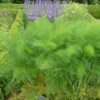
If ever the term “best if home-grown” were to apply to an item in the kitchen, dill would be it! It’s one of those flavours that’s hard to replicate with dried or store-bought versions as fresh dill from your own garden has a fragrance and taste that’s just on another level.
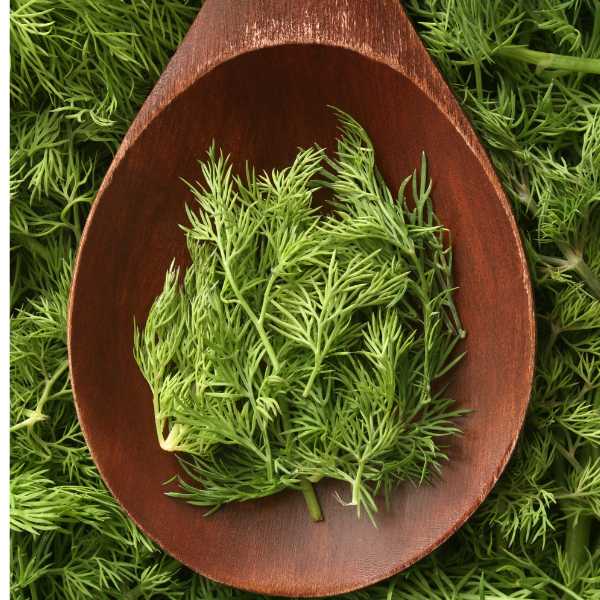
Sweet and aromatic, the flavour is intermediate between anise and caraway. The seeds impart a sharp flavour, are used as a spice, while the fernlike herb leaves, especially when fresh, have a sweeter fragrance. It enhances the flavours of a dish as well as compliments other herbs when combined. It is exceptional with vegetables, fish and mustard based dressings or sauces, lamb, potato and peas.
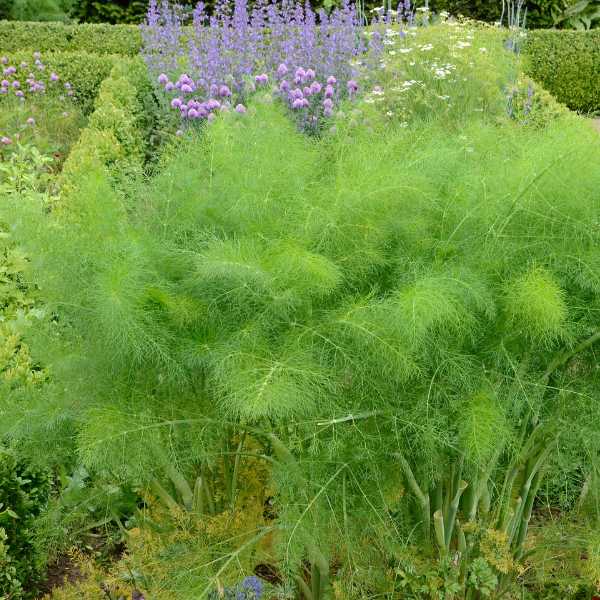
Dill is easy to germinate and cultivate and therefore is suited to novice gardeners as well as seasoned green thumbs. It is a very attractive plant, whether container grown or in a garden bed. It sports large seed heads and dark blue-green foliage. It thrives just as happily in a large pot as it does in open ground. Tuck a pot near the kitchen door or on a sunny balcony and you’ll have fresh fronds within reach whenever a dish calls for that unique dill flavour.
Dill’s easygoing nature makes it a fantastic companion in the veggie patch. It’s a classic “plant and forget” type of herb—happy to grow quietly alongside other crops, asking very little, and often giving a lot. The foliage is lovely to look at, and the tall, airy habit means it doesn’t crowd out its neighbours. If you’re growing crops like tomatoes, capsicums, cucumbers or brassicas, a clump of dill nearby can help keep aphids and caterpillars in check.
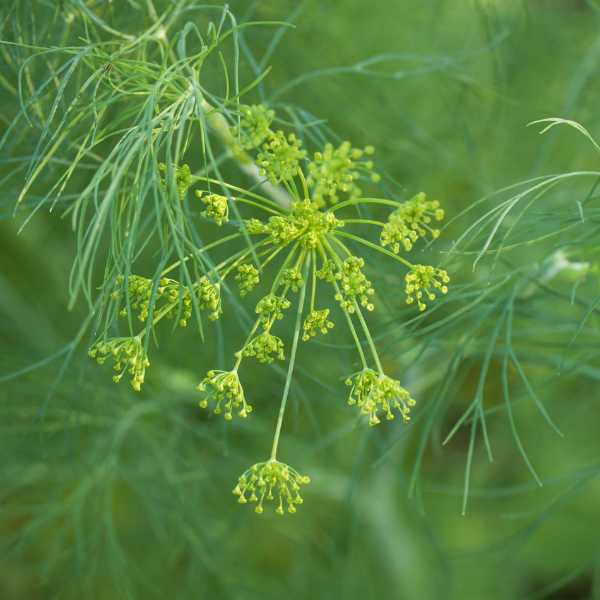
When in flower, dill forms wide, lacy seed heads which are a magnet for beneficial insects. Lacewings, ladybirds, parasitic wasps and hoverflies all love dill, making it a welcome addition to any garden that’s aiming for balance and natural pest control. And when it does go to seed, you’ve got another crop to harvest. Those pretty umbels dry easily and can be collected for next season’s sowing or for the kitchen pantry.
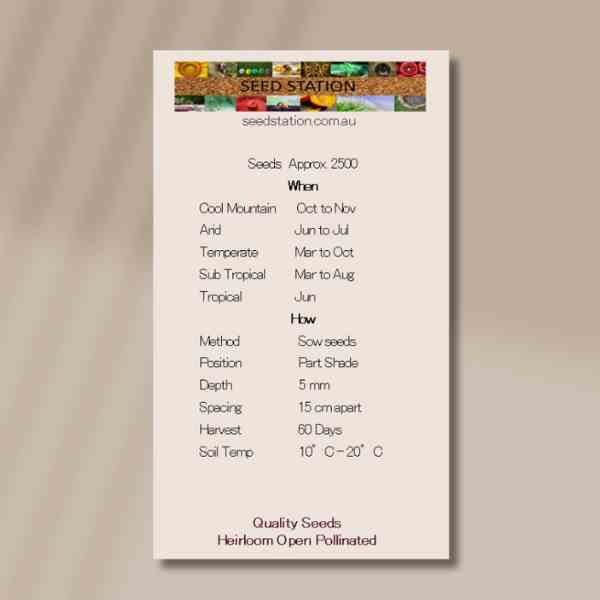
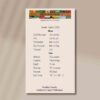
| Method: Sow direct | Soil Temp: 10°C - 20°C |
| Cool Mountain: Oct - Nov | Position: Part Shade |
| Arid: Jun - Jul | Row Spacing: 15 cm |
| Temperate: Mar - Oct | Planting Depth: 3 mm |
| Sub Tropical: Mar - Aug | Harvest: 60 Days |
| Tropical: Jun | Plant Height: 1 m |
🌿 Dill Grow Guide
🌱 Overview
Dill is a graceful, aromatic herb grown for its soft feathery leaves, fragrant stems, edible flowers, and flavourful seeds. It is a wonderful plant for kitchen gardens because it gives several harvests from one crop: fresh leafy tips for cooking, flower heads for pollinators, and seeds for pickling, seasoning, and future planting.
Dill has a delicate appearance, but it grows quickly when given the right conditions. Its flavour is fresh, slightly sweet, grassy, and lightly anise-like, making it especially useful with fish, potatoes, eggs, yoghurt sauces, cucumbers, salads, and pickles. It is also valuable in a garden because its flowers attract bees, hoverflies, lacewings, ladybirds, and other beneficial insects.
🌱 Sowing in Trays vs Direct Sowing
Dill can be sown in trays or directly into the garden, but direct sowing is usually the best method.
Dill develops a long, sensitive taproot early in life. Because of this, it often dislikes being moved once it has started growing. Seedlings raised in trays can suffer transplant shock, which may slow growth or cause plants to bolt earlier than desired. If trays are used, sow into deep cells or biodegradable pots and transplant very carefully while seedlings are still small, keeping the root ball intact.
Direct sowing is simpler and usually gives stronger plants. Sow seed shallowly into loose, prepared soil, cover lightly, and keep the area evenly moist until seedlings establish. Because dill seedlings are fine and delicate at first, the soil should be free of weeds and large clods. Thin overcrowded seedlings so the remaining plants have enough space for airflow and root growth.
For most gardeners, direct sowing is the preferred method. Tray sowing is only useful when garden space is not ready, pests are a problem, or extra control is needed during early growth.
💧 Seed Pre-Treatment
Dill seed does not require pre-treatment. No soaking, chilling, nicking, or special preparation is needed.
For best results, use fresh seed and avoid burying it too deeply. Dill seed germinates best when it has good contact with fine soil and steady moisture. If the soil surface dries out repeatedly, germination may become patchy. A light covering of fine seed-raising mix, compost, or sieved soil is enough.
🌞 Soil and Position
Dill grows best in a sunny, open position with good airflow. Strong light encourages sturdy stems, better flavour, and healthy leaf production. In very hot or exposed gardens, light afternoon protection can help reduce stress, especially in pots or shallow beds.
The ideal soil is loose, fertile, well-drained, and not too rich in heavy nitrogen. Dill does not like compacted or waterlogged soil, and its taproot grows best where the soil is friable and easy to penetrate. Before sowing, improve the bed with compost, then rake the surface to a fine texture.
Avoid overly rich feeding with strong manure or high-nitrogen fertiliser. Too much lush growth can make plants soft, weak, and more likely to fall over. A balanced soil with moderate fertility is better than an excessively rich one.
Dill also grows well in containers, provided the pot is deep enough for its taproot. Choose a pot with excellent drainage and use a quality potting mix. Shallow pots dry out quickly and can cause stress, so deeper containers are much better.
🌾 Care and Maintenance
Dill is easy to care for once established, but it performs best with steady, gentle attention. The most important care task is consistent watering. Dry soil can stress the plant and encourage early flowering. Keep the soil lightly moist, but never soggy.
Weeding is important while seedlings are young. Dill seedlings are fine and can be overwhelmed by fast-growing weeds. Remove weeds by hand to avoid disturbing the roots.
Mulch can be used lightly around established plants to help retain moisture, but keep it away from the stem base. A fine mulch is better than a heavy one, as thick mulch can trap moisture and encourage rot.
Dill can become tall and may lean in wind or heavy rain. In exposed areas, place it near a light support or grow it among sturdier plants that can provide gentle shelter without shading it too much.
Regular harvesting of leafy tips can encourage bushier growth for a while, but dill naturally moves toward flowering as it matures. Once flower heads appear, leaf production slows, but the plant becomes highly useful for attracting beneficial insects and producing seed.
🌼 Companion Planting Guide
Dill is one of the best herbs for attracting beneficial insects. Its umbrella-shaped flowers provide easy access for tiny pollinators and predatory insects, making it a valuable support plant in vegetable gardens.
Good companions include cucumber, lettuce, onion, cabbage, broccoli, kale, cauliflower, corn, asparagus, and many flowering herbs. Dill is especially useful near crops that benefit from pest predators, as it can help encourage insects that feed on aphids, caterpillars, and other soft-bodied pests.
Dill is often paired with cucumbers because the leaves and seeds are useful in pickling, and the plants share a natural kitchen connection. It can also be grown near brassicas to help attract beneficial insects that may assist with pest balance.
Avoid planting dill too close to carrot, fennel, and parsnip. These plants are closely related in growth habit and flower structure, and they may compete or create unwanted crossing concerns when saving seed. Fennel is especially best kept separate because it can be a poor companion for many garden crops.
A practical companion layout is to grow dill along the edge of a vegetable bed, near cucumbers or brassicas, where it can flower freely without shading smaller plants.
✂️ How to Harvest
Dill leaves can be harvested once the plant has enough leafy growth to recover. Use clean scissors to snip the soft outer fronds, taking small amounts at a time from several plants rather than stripping one plant heavily.
For the best flavour, harvest leaves while they are fresh, soft, and bright green. The flavour is usually strongest before heavy flowering. Use the leaves fresh whenever possible, as they lose some aroma when dried.
Dill flowers can also be harvested. Cut flower heads when they are open and fragrant, then use them in pickles, vinegars, sauces, or as edible garnish.
To harvest seed, allow flower heads to mature and dry on the plant. When the seed heads turn dry and the seeds become firm and brown, cut the heads and place them upside down in a paper bag. The seeds will continue drying and fall into the bag as they loosen.
🛠️ Common Issues and Fixes
| Issue | Likely Cause | Fix |
|---|---|---|
| Poor germination | Seed sown too deeply, dry soil surface, old seed | Sow shallowly, keep evenly moist, use fresh seed |
| Seedlings collapsing | Overwatering, poor airflow, fungal disease | Water gently, improve airflow, avoid soggy soil |
| Plants bolting quickly | Heat stress, dry soil, root disturbance | Direct sow, water consistently, avoid transplant shock |
| Yellow leaves | Overwatering, poor drainage, low nutrients | Improve drainage, reduce watering, add compost or mild liquid feed |
| Weak, floppy growth | Too much shade, overcrowding, excess nitrogen | Provide more sun, thin plants, avoid heavy feeding |
| Brown leaf tips | Drying out, hot wind, pot stress | Water more consistently, mulch lightly, use deeper pots |
| Aphids | Soft new growth attracting sap-sucking insects | Spray off with water, encourage ladybirds and lacewings |
| Caterpillars chewing leaves | Moth or butterfly larvae feeding on foliage | Hand-pick, inspect regularly, use fine netting if needed |
| Powdery patches on leaves | Humid conditions, poor airflow | Increase spacing, water at soil level, remove affected growth |
| Plants falling over | Wind exposure, tall stems, shallow soil | Provide light support, grow in deeper soil, avoid exposed positions |
🌰 Detailed Seed Saving Guide
Dill is a rewarding herb for seed saving because it produces generous seed heads and the seed is easy to collect. To save strong seed, choose healthy plants with good flavour, strong stems, and vigorous growth. Avoid saving seed from weak, diseased, or very early-stressed plants.
Allow selected plants to flower fully. Dill flowers form broad, umbrella-like heads with many tiny yellow flowers. These flowers attract pollinators, and good insect activity helps produce well-filled seed.
After flowering, the seed heads will gradually change from green and soft to dry and brown. Watch them closely at this stage because ripe dill seed can drop if left too long. When most seeds are brown and firm, cut the entire seed head with a short section of stem attached.
Place the seed heads upside down in a paper bag, or lay them on a tray in a dry, airy place. Do not use plastic bags for drying, as trapped moisture can cause mould. Once fully dry, rub the seed heads gently between your hands to release the seeds.
Separate the seeds from the dry stems and chaff by using a sieve or by gently blowing away the lighter material. Spread the cleaned seeds on paper for several more days to make sure they are completely dry before storage.
Store dill seed in a labelled envelope or airtight jar in a cool, dry, dark place. Label it with the plant name and collection date. Properly dried seed stores well, but fresher seed usually gives the strongest germination.
For cleaner seed saving, keep dill away from closely related flowering plants if you are trying to maintain predictable traits. If you only want seed for cooking, this is less important.
🌟 Final Thoughts
Dill is a beautiful, useful, and generous herb that deserves a place in both kitchen gardens and pollinator-friendly beds. It is best grown by direct sowing, as its taproot prefers to grow undisturbed. With loose soil, good sun, steady moisture, and minimal root disturbance, dill grows quickly and rewards the gardener with fragrant leaves, edible flowers, beneficial insects, and useful seeds.
It is not a demanding plant, but it does appreciate consistency. Avoid letting it dry out, give it room to breathe, and allow at least some plants to flower. In return, dill will bring flavour to the kitchen and life to the garden.
3 reviews for Dill
| 5 star | 66% | |
| 4 star | 33% | |
| 3 star | 0% | |
| 2 star | 0% | |
| 1 star | 0% |
Postage Charge
Orders under $35 attract a $4.95 shipping charge. Orders $35 and above have free shipping.
Order Times
Seed orders are normally dispatched within three business days. You will receive an email when seeds are mailed out.
Postage Days
Seeds are mailed out Tuesday to Friday at 1pm. Except for the Friday of long weekends.
Postage Times
WA 2-3 Days: SA,NT 3-5 Days: NSW, ACT, QLD, VIC: 5-7 Days
Carrier
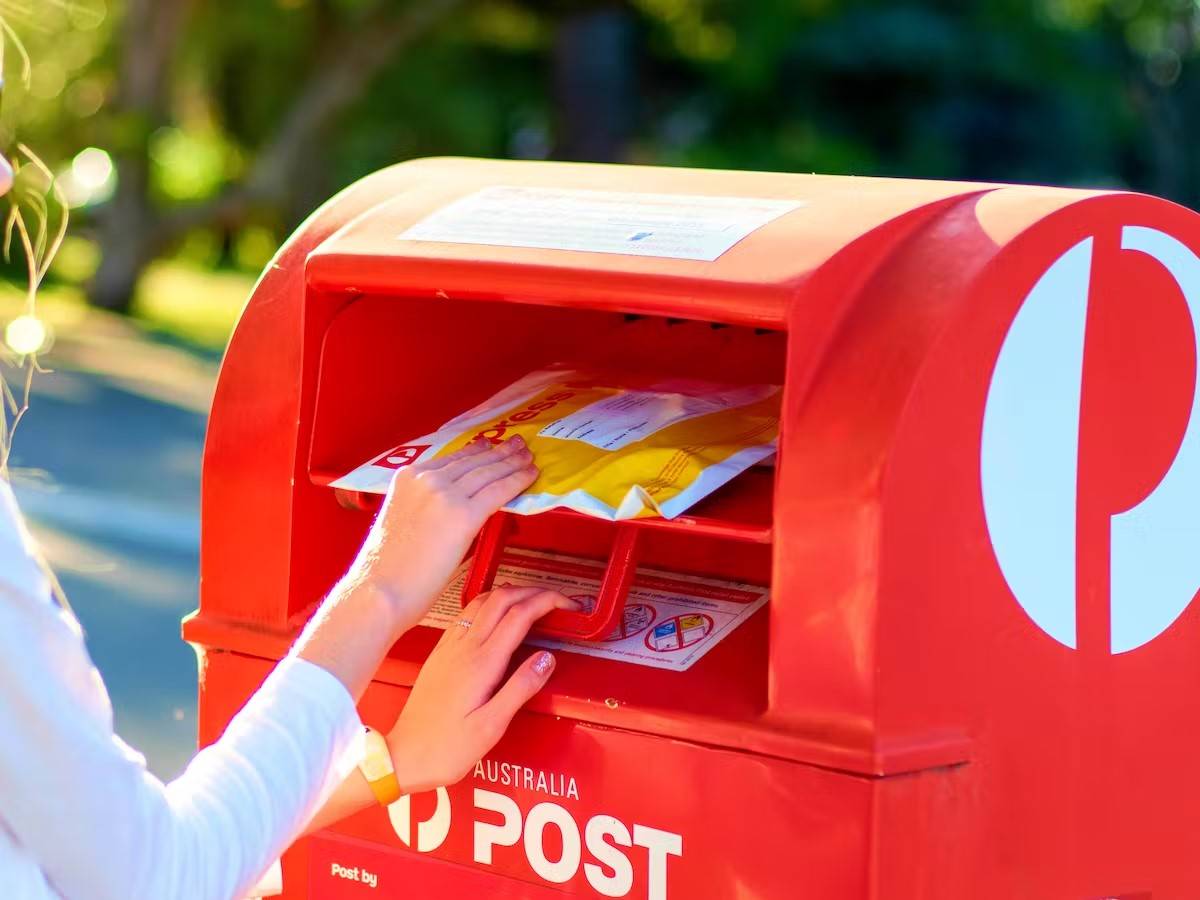
We use Australia Post Letter Postage for the majority of orders
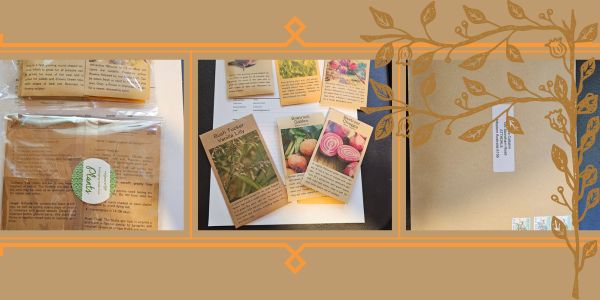
Not only are our seeds packed in recycled paper envelopes, we keep the theme going when we post out website orders. To protect your seeds from moisture and the letter box munchers (snails), we use a very special plastic free material made from plants. They are then put into recycled mailing envelopes. Green all the way ????????
Delivery Guarantee
We take great care to make sure your seeds arrive safely. If your order is lost or damaged in transit, we’ll happily send a replacement. Unfortunately, we can’t replace or refund orders that arrive later than the estimated delivery date, as delays can sometimes occur that are outside our control.
Please note that all dispatch and delivery times listed are estimates only. While we do our best to post promptly, delivery timeframes can vary due to postal service delays, weather events, or other unforeseen circumstances. We’re unable to take responsibility for any loss, damage, or cost that results from a late delivery.
An order is not considered missing until at least 20 business days have passed from the postage date. You’ll receive an email once your seeds have been posted, letting you know they’re on their way. If you don’t see it in your main inbox, please check your Spam or Promotions folders as sometimes our emails like to hide there.

See all our verified customer reviews on our official CusRev profile.
See all our verified customer reviews on our official CusRev profile.
See all our verified customer reviews on our official CusRev profile.