☀️ A Cosy Winter Job with a Big Payoff
Now’s the perfect time to put the kettle on, wrap your hands around a warm cup of cocoa (or tea, if that’s more your thing), and dive into one of the most satisfying parts of gardening, planning your summer garden.
Winter may have a sleepy pace in the garden, but behind the scenes, it’s when the magic begins. The decisions you make now will shape how abundant, manageable, and joyful your garden will be in the months to come. And the best part? You don’t need sunshine or a spade to start. Just a notepad, a garden map (even a rough one), and your imagination.


🪴 What Space Do You Have?
Let’s start with the basics, your garden layout. Whether you’ve got a sprawling backyard, a modest courtyard, or a collection of pots on a sunny deck, knowing your growing space is the first essential step.
Grab a pen and sketch it out. It doesn’t need to be to scale—just mark out:
- Vegetable beds, raised beds or borders
- Patio pots, planters or hanging baskets
- Greenhouses or cold frames
- Trellises or arches for climbers
- Existing shrubs or trees (they’ll cast shade!)
- Shade cloth structures or fences that block wind/sun
- Water access and compost bays
- Any areas that become too soggy or dry in summer
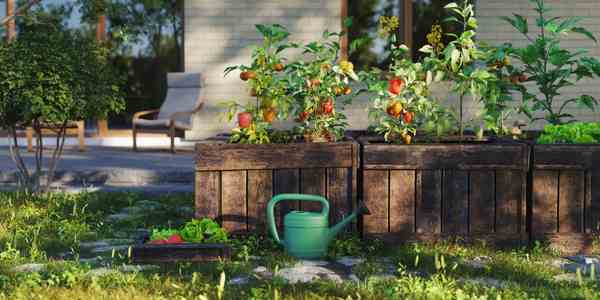
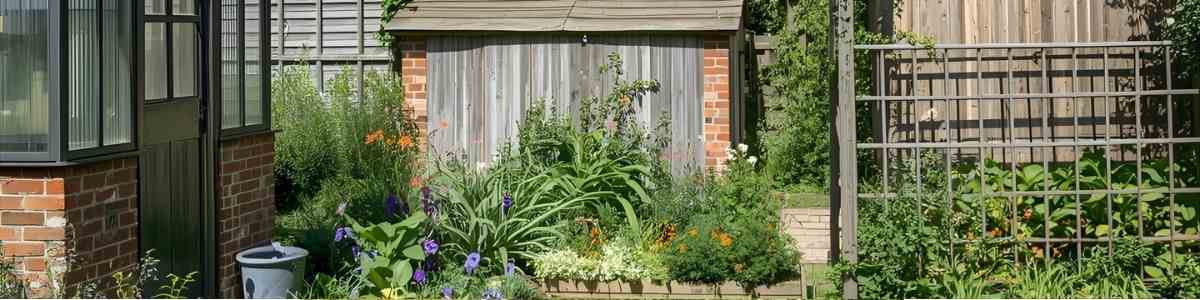
💡 Hot Tip: Think about how your garden behaves in summer. I’ve found that my productive areas shift quite a bit with the season. A few large gum trees provide gorgeous dappled shade during those blistering summer afternoons—perfect for greens that would otherwise bolt in the heat. But there are areas I need to modify too—adding shade cloth to give struggling plants a fighting chance when the sun really kicks in.
🌬️ And don’t forget the wind! In summer, a dry gusty breeze can be just as harsh as frost. Positioning tender or moisture-loving plants behind windbreaks or taller companions can make a big difference.
If this is your first season growing, some of this will involve a bit of guesswork—and that’s okay. Part of the joy of gardening is watching how your patch changes over time and learning as you go.
🥕 What to Grow—and Where?
Once you’ve mapped out your space, it’s time for the fun part: choosing what to grow! But before you get too carried away (and believe me, I still do), ask yourself one important question:
👉 Who am I growing for—and what do they love to eat?
Start with the crowd favourites. Do your family members love crisp cucumbers, juicy cherry tomatoes, or handfuls of basil torn into summer salads? Are you cooking big vegetarian meals that need loads of zucchini and eggplant? Or maybe you’re dreaming of heirloom corn, rainbow chard, and striking flowers for pollinators?
Make a list—and then start placing those choices on your garden map.
🪻 Think about the plant’s mature size. It’s easy to forget how big things get when you’re planting tiny seeds, but spacing is everything when it comes to airflow, access, and sunlight.
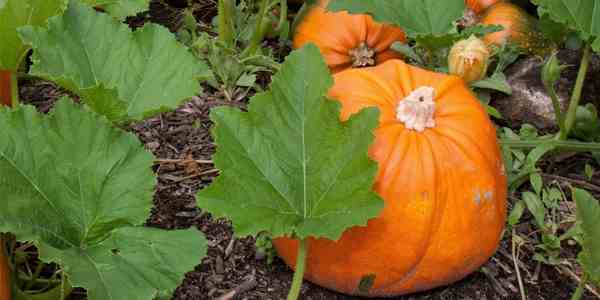
- Sprawlers like pumpkin, squash and watermelon need space to run. Plant them at the edges of beds so they don’t smother their neighbours.
- Tall crops like corn and sunflowers can shade out sun-lovers if placed poorly—but can be useful allies for greens that enjoy a bit of relief from the heat.
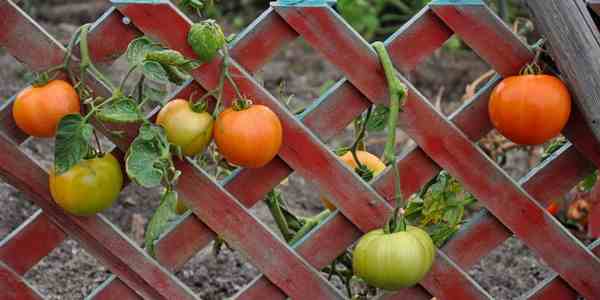
- Vertical growers like beans and cucumbers can be trained up trellises to save space and increase airflow (which also helps prevent mildew).
- Quick growers like radish, beetroot, bok choy and pak choy can be tucked in between slow-maturing crops like tomatoes or capsicums. They’ll be up and harvested before the bigger plants need the room!

🪴 Can you move pots around as the season shifts? If so, use that to your advantage—spring lovers like spinach or coriander can start in a warm nook, then be shifted into part-shade as temperatures rise.
🌱 Rotation reminder: If you’ve grown in the same spot for a few years, consider rotating your crop families (e.g., don’t follow tomatoes with more tomatoes) to reduce pest and disease build-up in the soil.
📅 When To Plant?
Once you’ve got a good idea of what you’d like to grow, the next step is to get your timing right.
Over on my website, you’ll find the Monthly Planting Guides—handy monthly lists that show you which seeds can go in when, for your region of Australia. These guides are a great starting point, but keep in mind: seasonal conditions vary each year, especially with the way weather has been lately.
🌨️ Frost is the big one to watch in early spring. If you live in a frost-prone area, you’ll want to hold off on sowing tender crops like tomatoes, cucumbers and basil until the danger has well and truly passed. Frost is generally considered anything below 2°C—and it’s particularly harsh on tender young seedlings.
🧊 Frost causes ice crystals to form inside plant cells, damaging new growth and killing entire seedlings overnight. It’s brutal. So don’t rush.
📍 The Australian Bureau of Meteorology has a detailed section on frost including maps and forecasts that are incredibly helpful for working out frost dates in your area. Pair that with your own garden knowledge—you’ll likely notice some frost pockets and warm spots over time.
🌡️ Also check soil temperatures—you’ll find the ideal germination ranges on the back of your seed packets and in the seed descriptions online. Some seeds (like beans) just won’t sprout until the soil is warm enough, no matter how early you try.
🧰 What Supplies Will You Need?
Last but not least—a bit of shed time goes a long way. Before spring really ramps up, take stock of your tools, supplies, and infrastructure. I like to set aside an afternoon mid-winter just for this.
🛠️ Here’s what to check:
- Do your hand tools need sharpening or oiling?
- Are your seed trays, pots and labels in good condition?
- Do you have fresh potting mix and seed-raising mix ready to go?
- Is your compost pile cooking, or do you need to stock up?
- Have your trellises or climbing supports for tomatoes, beans, and cucumbers seen better days?
- Are your watering systems (hoses, drippers, watering cans) working well?
🌱 And of course—have you ordered your seeds? Popular varieties tend to sell out as the season draws near, so it’s smart to get in early and build your collection while you’re still in the planning phase.
🌿 If your soil needs improving, now’s a great time to dig in some aged compost, rotted manure, or a green manure crop to enrich your garden beds in time for planting. Even just topping beds with straw or mulch now can help retain soil structure through winter rains.
🌼 Final Thoughts: A Garden that Works With You
Planning your summer garden doesn’t have to be overwhelming. In fact, it’s one of the most rewarding parts of growing your own food and flowers—a blend of dreaming and practicality, where you imagine what you’ll harvest and eat, and shape your space around those needs.
Remember, you don’t have to grow everything. Focus on what brings you joy, what your household actually eats, and what will thrive in the conditions you can provide.
And if you need help deciding on varieties, finding something a little unusual to try, or just want to browse what’s possible—head over to my website. The Monthly Planting Guides are a great place to start.
🪻So, snuggle up, grab a pen, and let the garden planning begin. Summer’s not far away—and an afternoon indoors now will set you up for a season full of abundance, colour, and flavour.