Heirloom seeds are not just your everyday, grab them off the rack kind of seeds. They are more like a VIP pass to a garden that’s rich in flavour, personality, and history. Every seed carries a story, shaped by generations of growers who selected plants for taste, resilience, and usefulness rather than shelf life or uniform looks.
When you sow an heirloom seed, you are not just planting food. You are continuing a long conversation between gardeners and the land. Before we dive fully into heirloom or heritage seeds as they are sometimes called, it helps to understand the other types of seeds you will come across and how they differ.
🧪 GMO Seeds Explained
GMO seeds are often the most controversial and also the most misunderstood. GMO stands for Genetically Modified Organism. These seeds are created in laboratories where genes from one plant are inserted into another to achieve very specific traits.
The goal is usually to create plants that can tolerate drought, resist pests, or survive chemical sprays. These seeds are designed for large scale commercial farming where uniformity and efficiency are critical. They are not something home gardeners usually encounter, and you will not find them on the shelves of your local hardware or garden store.
For most backyard gardeners, GMO seeds are not part of the picture at all. They exist in a very different world to the home garden where flavour, diversity, and seed saving matter far more.
🌼 Understanding Hybrid Seeds
Hybrid seeds are much more common and are often what you see in standard seed racks. A hybrid seed is created by deliberately cross pollinating two different parent plants. This is usually done by hand, carefully controlling which plants are bred together.
The aim is to combine desirable traits from both parents. This might be stronger disease resistance, faster growth, or larger and more uniform fruit. Because of this, hybrid plants often grow quickly and produce heavy yields, which can be appealing, especially for newer gardeners.
You might notice the term F1 on seed packets. This stands for Filial 1, meaning the first generation produced from that cross. These plants perform well, but the seeds they produce do not grow true to type. If you save seed from a hybrid plant, the next generation can be unpredictable. That is why hybrid seeds need to be purchased fresh each season.
🌾 Heirloom Seeds as Nature Intended
Heirloom seeds are the old souls of the seed world. These are seeds that have been grown, saved, and passed down through families and communities for at least 50 years, often much longer.
One of their key features is that they are open pollinated. This means they are pollinated naturally by insects, birds, wind, or other natural processes. Because of this, they remain well adapted to real garden conditions rather than controlled environments.
Heirloom seeds also grow true to type. When you save seed from an heirloom plant, the next generation will look and taste like the parent. This reliability is what allowed gardeners long before seed companies existed to keep growing their food year after year.
It is quite special when you pause and think about how many hands have planted, harvested, and saved these seeds before they reached your garden.
🌸 Each Heirloom Seed Has a Story
One of the reasons I love growing heirloom seeds is the history they carry. These seeds have been grown by great grandmothers, small scale farmers, and everyday gardeners who carefully selected the best plants and saved seed for the future.
Every heirloom variety has an origin story. Some were carried across oceans by migrants. Others were saved from near extinction because one family kept growing them when everyone else moved on. When you plant one of these seeds, you become part of that story, even if only in a small way.
🎨 Growing Heirloom Seeds for Variety
Heirloom seeds bring colour and personality back into the garden. They are the opposite of the uniform produce you see lined up at the supermarket. With heirlooms, you get quirks, surprises, and real character.
Heirloom vegetables, herbs, and flowers offer an abundance of choice. Think purple carrots, striped beetroots, white cucumbers, or beans in shades you never knew existed.
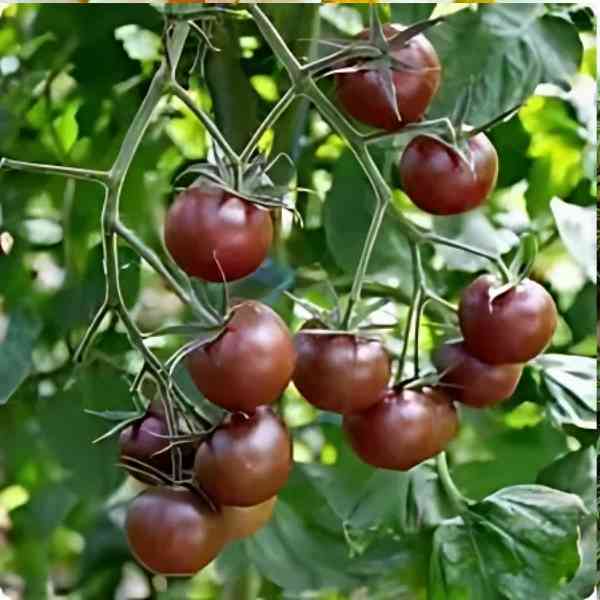
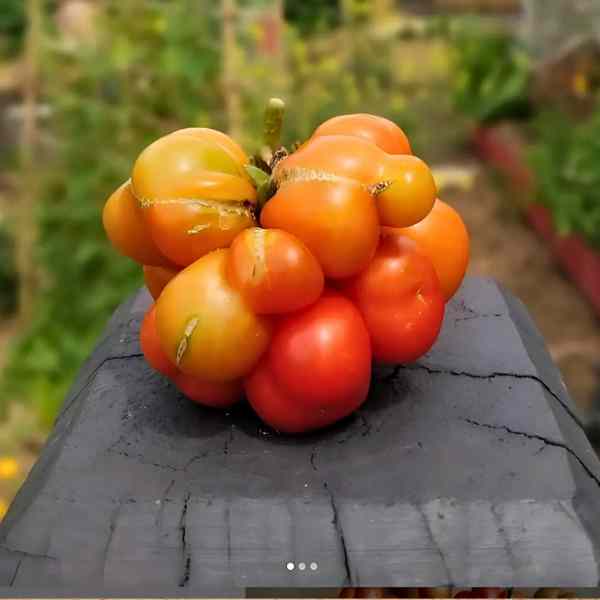
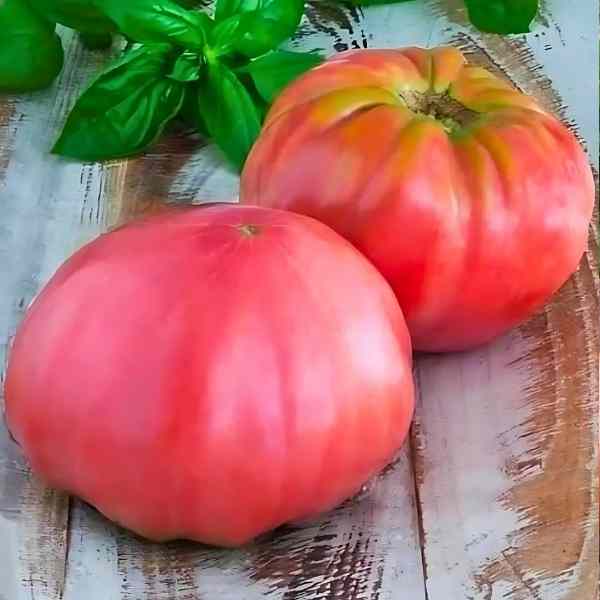
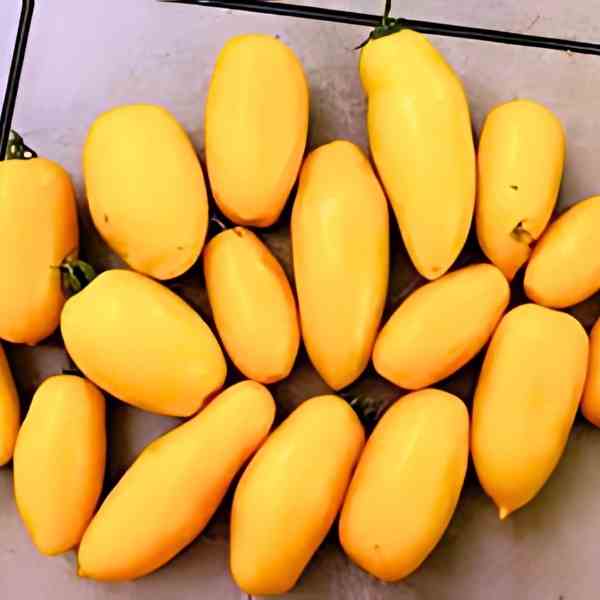
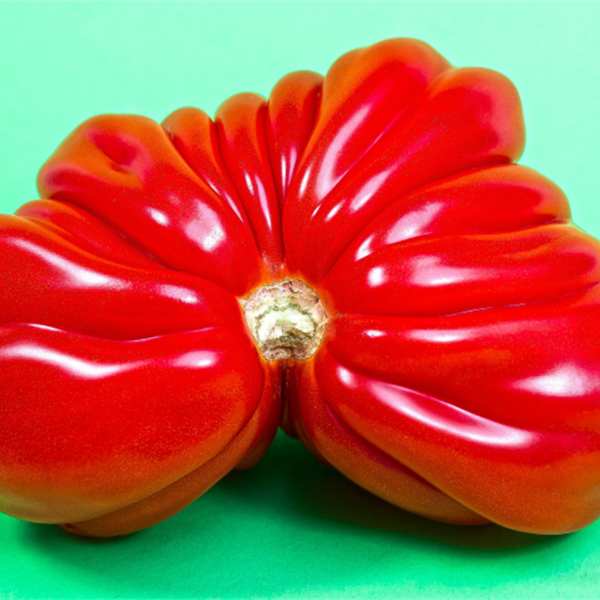
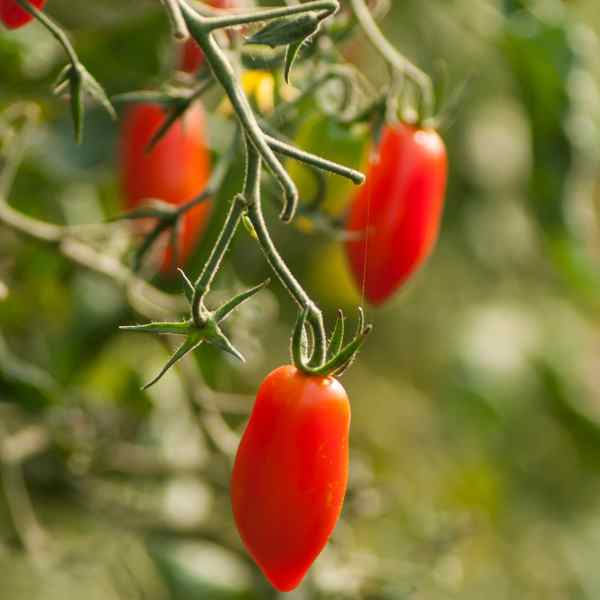
Tomatoes are a great example of the wide variety. Take a look at different seed catalogues to compare the vibrant colors, random shapes, and different sizes of the many varieties of heirloom tomatoes available.
🍅 Heirlooms Shine When It Comes to Taste
If flavour matters to you, heirloom seeds are hard to beat. These varieties were selected over centuries for how they tasted, not how well they travelled or how long they sat on a shelf.
Because they have not been bred for transport or storage, heirloom vegetables and herbs retain deep, complex flavours. You can almost imagine two farmers centuries ago swapping seeds and raving about how good the harvest tasted.
That focus on flavour is still there today. When you grow heirlooms, you quickly notice the difference on the plate, especially with tomatoes, greens, and herbs fresh from the garden.
🌻 Saving Seeds for the Future
Heirloom seeds are perfect for gardeners who want to save their own seed. Because they grow true to type, you can collect seed from your plants and plant it again next season with confidence.
Seed saving goes hand in hand with sustainability. It reduces the need to buy new seed every year and helps you become more self sufficient. It does require a bit of planning though. Some plants need to be left in the garden longer to fully mature so they can produce viable seed. You will find seed saving tips in the Growing Guide on the seeds product page.
Once you get the hang of it, saving seed becomes one of the most satisfying parts of gardening.
💰 Heirloom Seeds and Cost
Heirloom seeds are often less expensive overall. There is no laboratory work or complex breeding involved, just careful growing and selection over time. This is reflected in their price on seed racks.
When you factor in the ability to save your own seed, heirlooms can save you money year after year. You only need to buy new seed when you want to try something different or add a new variety to the garden.
🌿 Are Heirloom Seeds Harder to Grow?
This is a common worry, but in practice there is not a big difference between growing heirloom seeds and other types. The key with any seed is matching it to the right conditions.
Reading the seed description carefully and paying attention to things like climate, soil, and days to harvest makes all the difference. Any seed planted in the wrong conditions will struggle, regardless of its type.
Heirloom seeds have not been bred for disease resistance or uniform growth, so they may need a little more observation and care. In return, they reward you with flavour, diversity, and the satisfaction of growing something truly special. However, each year you save your seeds and regrow them in your garden, they adapt to your conditions and perform better each time.