There’s nothing quite as disheartening as checking in on your seedlings, full of hope, only to find them slumped over, wilted, or simply gone without warning. If you’ve been there, you’re not alone. This heartbreaking seedling drama is usually the work of a sneaky problem called damping off which is a disease that can wipe out healthy seedlings almost overnight.
It’s a common issue for gardeners of all experience levels, and it doesn’t mean you’ve done something terribly wrong. But knowing what causes it, and how to stop it, can make all the difference between a bench full of struggling sprouts and one brimming with strong, vibrant plants.
So let’s walk through what damping off actually is, how to spot it, and most importantly, how to prevent it from setting up camp in your garden.
🌱 What Is Damping Off?
Damping off is a fungal and sometimes bacterial disease that affects young seedlings just as they’re getting started. It’s caused by soil-borne pathogens mostly fungi like Pythium, Rhizoctonia, and Fusarium and it thrives in cool, damp, poorly ventilated conditions. In other words, the kind of cosy setup we often create when trying to be extra kind to our baby plants.
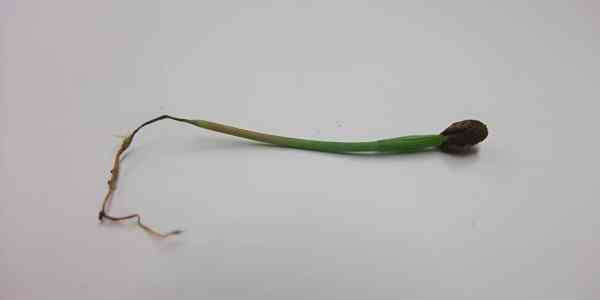
These pathogens attack either before or after seedlings emerge from the soil. Pre-emergence damping off means your seeds never come up at all—or emerge only to fail quickly. Post-emergence damping off is where things look fine for a moment, and then, suddenly, plants wilt, flop over, and die back from the base up.
🕵️♀️ Spotting the Signs: How to Tell It’s Damping Off
You’ll notice something’s off when your previously healthy seedlings:
- Fall over as though they’ve been pinched at the base
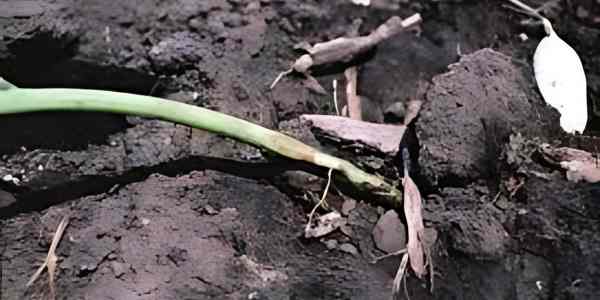
- Have stems that look thin, water-soaked, or discoloured near the soil line
- Wilt for no clear reason—even with adequate moisture
- Develop brown, yellow, or dead patches on leaves
- Fail to emerge after sowing (that could be pre-emergence damping off)
In brassicas like cabbages and broccoli, you might notice something called wire stem where the base of the seedling stem becomes tough, thin, and twisted rather than flopping. Either way, the outcome is the same: the plant won’t make it.
🦠 What Causes Damping Off?
Damping off loves moist, still, cool conditions so early spring sowing indoors or in shady spots can make things worse. It can also take hold if:
- The soil stays too wet or drains poorly
- Air circulation is low (think closed lids or tightly packed trays)
- The potting mix isn’t sterile
- There’s leftover plant debris or unclean tools
- There’s too much nitrogen in the soil, which causes lush but weak growth
And sometimes, it’s just the combination of a few of these things that tips the balance in favour of disease.
🚫 How Damping Off Spreads
Here’s the frustrating bit: damping off can spread quickly and silently. It’s usually soil-borne, moving through water, splash back, infected tools, or even your hands. It rarely spreads through the air, but once it’s in your mix or tray, it can jump from seedling to seedling with ease.
That’s why prevention is so crucial.
🌿 Natural Ways to Prevent Damping Off
Thankfully, there are plenty of simple, organic steps you can take to protect your precious seedlings:
1. Use Clean Tools and Containers
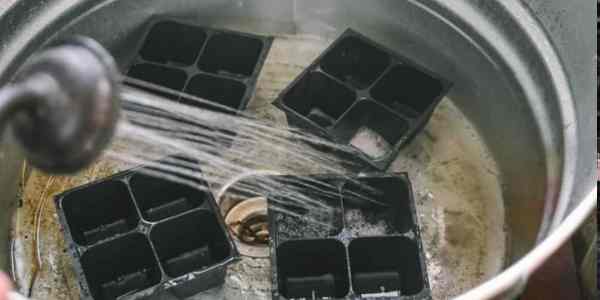
Always start fresh! Wash trays, pots, and tools with a mild bleach solution (1 part bleach to 10 parts water) before each new sowing.
2. Choose a Good Quality, Sterile Seed-Raising Mix
Avoid scooping soil from the garden. Commercial seed-raising mixes are typically free from pathogens and drain well both of which help reduce the risk.
3. Watch Your Watering
It’s easy to overdo it. Water in the morning so things can dry out by nightfall. And aim for the base of the seedlings, not overhead watering. Let the top of the mix dry out a little between drinks.
4. Add Airflow
A small fan near your seedling setup or just propping open the lid of your seed tray can make a big difference. Good air circulation discourages fungal growth.
5. Avoid Overcrowding
It’s tempting to sow thickly, but giving your seedlings space allows air and light in and helps prevent disease.
6. Be Careful With Nitrogen
High-nitrogen mixes can promote rapid growth, but fast-growing seedlings are often soft and vulnerable. Keep fertiliser gentle and balanced.
7. Rotate Your Seedling Locations
If you’ve had trouble before, don’t sow in the same place each time. Fungal spores can linger in potting mix or on benches.
🧼 What If It Happens Anyway?
If you do spot damping off:
- Remove affected seedlings immediately roots and all
- Don’t compost them—bin them securely
- Sterilise the tools and trays they came in contact with
- Consider starting again with a fresh mix
Unfortunately, once it takes hold, there’s no real “cure” only damage control. Prevention really is the best (and only) medicine.
🧪 What About Chemical Treatments?
In commercial settings, fungicide-treated seed is sometimes used to prevent damping off. While effective, this isn’t the preferred approach for most home or organic gardeners.
Chemicals like thiram or mancozeb can prevent fungal infection, but they must be handled with care. Always wear gloves, keep them away from kids and pets, and never compost treated seed or plant parts.
If you’re running a small home garden, the organic methods above will usually do the job just fine.
🧤 Safe Disposal of Infected Plants
If damping off hits, dig up affected plants, roots and all. Bag them before throwing them in the bin never the compost! Disinfect your tools and growing surfaces afterwards, and scrape away any mulch or mix that might be contaminated.
This stops the spores from hanging around and infecting your next crop.
💡 A Final Note
Damping off mostly targets seedlings so once your plants are older, they’re far less vulnerable. Their stems thicken, roots establish, and they become more resilient to attack. That’s why the early days matter so much.
So, if you’ve lost a tray or two of seedlings before, don’t worry, it happens to even the most seasoned of us. It’s all part of learning to read your plants and their environment.
With a few tweaks to your setup and habits, you’ll be well on your way to raising strong, healthy seedlings ready to thrive in your garden beds.