🐛 Aphids in the Garden: What You Need to Know
Of all the garden pests we come across, aphids are probably the most familiar. These tiny sap-suckers feed on the juicy growth of tender plants and can multiply at lightning speed, often taking over an entire plant and spreading across the garden in just a few days.
In small numbers, aphids aren’t usually a big deal, especially on older plants that can handle a bit of feeding. But when populations explode, they cause problems in three main ways:
- Physical damage – Aphids weaken plants by sucking out their sap. This stunts growth and, if left unchecked, can kill the plant.
- Honeydew build-up – Aphids excrete a sticky substance called honeydew, which coats leaves. This sticky layer reduces photosynthesis and makes plants more vulnerable.
- Spreading disease – Perhaps the most worrying part is that aphids carry viruses and diseases from plant to plant, causing long-term damage across the garden.
Because of this, it’s best to catch infestations early and take action quickly.
🔎 Recognising Aphids
Aphids come in many shapes and colours, but most are 2–4mm long with delicate, soft bodies. Most don’t have wings, but when a colony gets crowded, some develop wings so they can fly off and invade fresh plants.
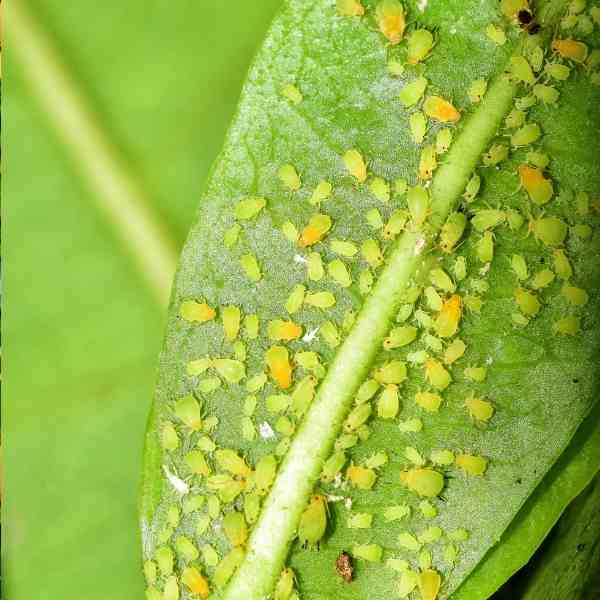
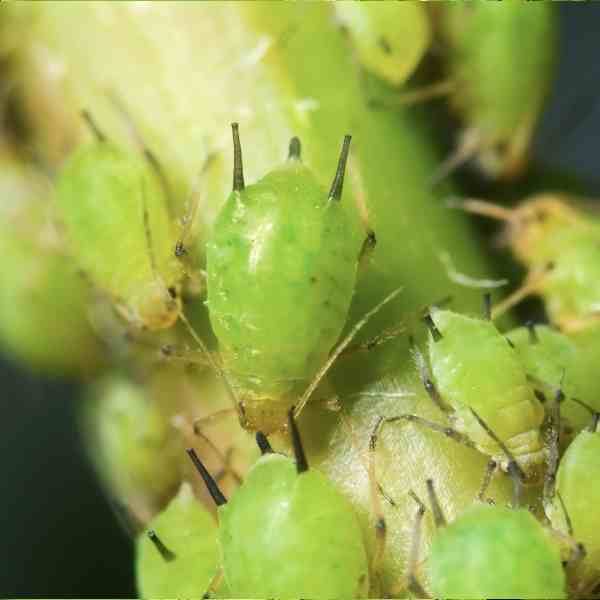
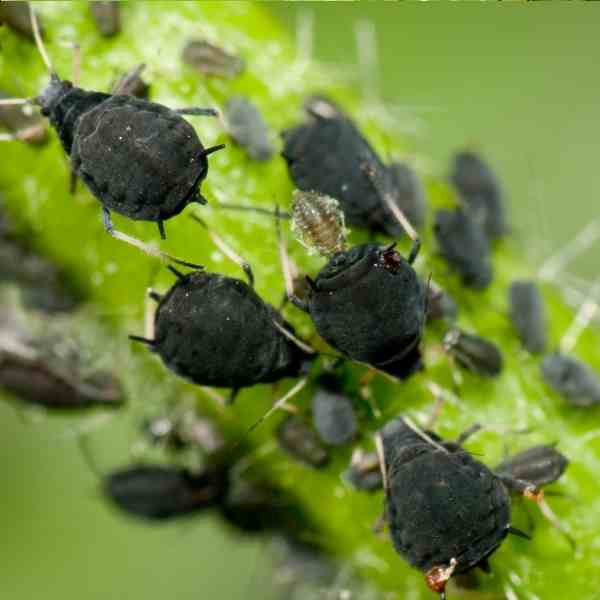
The most common types you’ll notice are greenfly and blackfly, though they can also be white, brown, grey, yellow, or even pink.
🌿 Where to find them: Aphids love to hide on the undersides of leaves, especially on young shoots and tender growth.
🌿 Signs of infestation: Wilting leaves, curling edges, or yellow spots can all signal aphid activity. A closer look usually makes the culprits easy to spot.
🐞 Natural Pest Control: Let the Predators Help
One of the best ways to control aphids is to encourage their natural predators. The most famous of these is the ladybird. An adult ladybird can munch through around 5,000 aphids in a single year!
💚 Encourage ladybirds by planting their favourite flowers and herbs, such as alyssum, yarrow, tansy, and geraniums.
Don’t forget the ladybird larvae too. They look a bit dragon-like and can seem alarming at first, but each one eats around 400 aphids before turning into an adult. If you see them in your garden, that’s great news.
By attracting ladybirds, you’ll likely also invite in lacewings, hoverflies, and parasitic wasps, all of which help keep aphid numbers down.
🌸 Fighting Aphids with Companion Planting
Plants can also join the battle. Companion planting works in two clever ways:
🌼 1) Decoy Plants
Some plants are so irresistible to aphids that they’ll act like magnets, drawing them away from your prized veggies. Good decoys include:
- Calendula
- Nasturtiums
- Mustard
- Basil
If you use these as traps, check them regularly and remove the aphids before they take over completely.
🌿 2) Repelling Plants
Other plants naturally repel aphids with their strong scents and chemical compounds. Try planting:
- Catnip
- Chives
- Garlic
- Marigold
- Radish
- Petunia
- Coriander
These not only protect your crops but add diversity and beauty to your garden.
💦 Physical Removal
If you spot an infestation starting, sometimes the simplest methods are the best.
- Blast with water – A quick spray with the hose dislodges them. Once they fall to the soil, most won’t find their way back.
- Dust with wood ash first – This makes them heavier and easier to wash off.
- Squish with fingers – Not everyone’s favourite method, but it works. Squashed aphids release a scent that warns others to stay away.
- Sticky tape trick – Wrap tape around your fingers, sticky side out, and dab them off gently. A neat option for squeamish gardeners!
🧴 Homemade Spray Solutions
For those who prefer sprays, you don’t need to rush to the shop. Two easy homemade options are:
- Soapy water spray – Mix 1–2 tablespoons of mild soap in 1 litre of water. For extra punch, add a pinch of cayenne pepper.
- Rubbing alcohol spray – Mix isopropyl alcohol down to about 35% with water. Add a dash of soap to help it stick.
Spray affected plants every few days until the infestation clears. But always test first on one plant to make sure there’s no damage.
⚠️ Even homemade sprays can affect beneficial insects, so use sparingly.
🌟 Extra Tips and Tricks
Here are a few more ideas gardeners swear by:
- Yellow sticky traps – Aphids are drawn to yellow but beware, these can also trap beneficial insects.
- Reflective mulch – Lay foil under plants to confuse aphids and discourage them from feeding.
- Soapy water bowls – A shallow yellow dish of soapy water attracts and drowns aphids.
- Horticultural fleece – Protect young seedlings with a physical barrier.
- Watch out for ants – Some ants “farm” aphids for their honeydew. Discourage ants with plants like tansy, rosemary, or lavender.
- Autumn clean-up – Aphids often overwinter on old plant material. A good tidy-up sets you up for a fresh start next season.
🌱 The Bottom Line
A few aphids here and there are nothing to panic about. They’re part of the garden’s natural ecosystem. But when they get out of hand, they can cause serious trouble. The key is to act early and use a mix of methods—from attracting beneficial insects to companion planting, sprays, and simple physical removal.
Keep an eye out, step in when needed, and your garden will stay strong, vibrant, and healthy.