1. What Is Powdery Mildew and Why It Matters 🌿
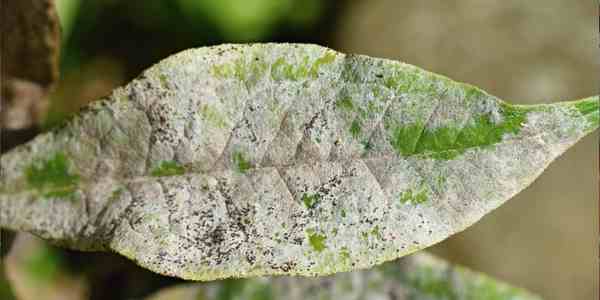
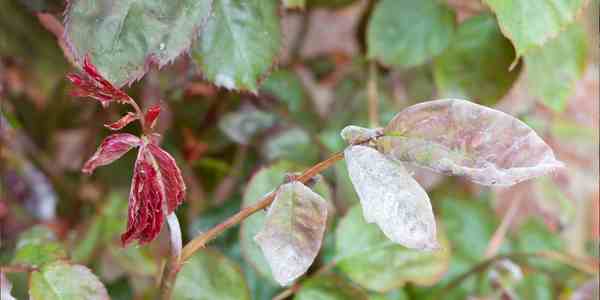
If you’ve gardened for more than five minutes, you’ve probably met powdery mildew. It’s that white, dusty coating that suddenly shows up on your plants’ leaves and stems, almost as if someone sprinkled them with flour.
It usually sneaks in when the weather is damp, humid, and still. Plants don’t get enough fresh air around their leaves, and the fungus thinks it’s won the lottery.
The trouble with powdery mildew is that it blocks sunlight from getting through the leaves. Plants need sunlight to make food, so once the leaves are coated, your plants slow down, look sickly, and stop producing well.
A light infection isn’t the end of the world, but if you ignore it, mildew spreads like wildfire. Leaves die back, fruits and flowers shrink, and eventually, the whole plant can collapse. That’s why gardeners like us need to jump on it early.

2. The Usual Defences: Culture and Fungicides vs. Baking Soda
2.1 Cultural Practices: Your First Line of Defence 🌞💨
Before we reach for sprays, it helps to know that simple gardening habits can stop mildew before it even shows up:
- Give your plants sun: Mildew hates bright, direct sunlight.
- Space plants properly: Don’t overcrowd your beds. Air should be able to flow through the leaves.
- Water smart: Water the soil, not the leaves. Wet leaves invite problems.
- Feed your soil: Compost and mulch help plants grow strong, and healthy plants fight off disease better.
- Pick resistant varieties: If a type of cucumber or zucchini is known for being “mildew resistant,” it’s worth choosing.
Think of these as your garden’s natural shield.
2.2 Commercial Fungicides: The Big Guns
The usual way to deal with powdery mildew is to spray with a fungicide from the garden centre. They can work, but here’s why many of us prefer not to use them:
- Most aren’t fully natural.
- Some can be harmful to people, pets, and even helpful insects like bees.
- Spraying veggies and herbs with strong chemicals doesn’t sit well with gardeners who love to eat fresh from the patch.
- They can be expensive and who likes that!
That’s where bi-carb of soda comes into the picture — an affordable pantry staple that can work as a gentle, safer alternative.
3. Baking Soda as a Fungicide: What the Research Says 🧪
You might wonder: does this really work, or is it an old gardener’s tale? Good news — baking soda has been tested and shown to slow mildew right down.
Here’s the simple version of what the experts found:
- Baking soda changes the surface of the leaf so mildew can’t grow properly.
- It works best as a preventative or when mildew is just starting.
- It’s gentle compared to commercial sprays, but still strong enough to make a difference.
- Use too much, and it can scorch leaves — so the right mix is important.
So no, it’s not magic, but used the right way, it’s a handy tool in the gardener’s kit.
4. Baking Soda Spray: Step-by-Step Guide 🌼
Here’s the fun part — making your own spray.
4.1 What You’ll Need
- 1 teaspoon baking soda (bi-carb of soda)
- 1 litre water
- A few drops of dish washing liquid
- A clean spray bottle or garden sprayer
4.2 How to Mix It
- Fill your bottle with water.
- Add the teaspoon of baking soda.
- Add the drops of soap (this helps the spray stick to the leaves).
- Shake it gently until it’s mixed.
That’s it. You’ve made your own garden fungicide.
4.3 How to Use It
- Spray early in the morning or late in the afternoon. If you spray in hot sun, the leaves can burn.
- Spray the top and underside of the leaves — mildew loves to hide.
- Don’t spray in the evening. Damp leaves overnight make mildew worse.
4.4 How Often to Spray
- As prevention: Once a week.
- If you see mildew: Every 3–4 days until it looks under control.
5. Why and When Baking Soda Works Best 🎯
Baking soda isn’t perfect. But here’s why it’s worth using:
5.1 The Good Bits
- Cheap and easy — you probably already have it in your cupboard.
- Safe for people, pets, and pollinators.
- No nasty residues on your food plants.
- Slows mildew growth and keeps it from spreading too far.
5.2 The Not-So-Good Bits
- It won’t save a plant that’s already covered in mildew.
- Some plants are sensitive and might get scorched if the mix is too strong.
- If you use it a lot on potted plants, the soil can become too alkaline, which stops nutrients from working properly.
5.3 Best Times to Use It
- When you first notice mildew starting.
- On plants you know get mildew often, like zucchinis, cucumbers, or roses — as a preventative spray.
- In warm, humid weather when mildew usually shows up.
6. Safety Tips & Watch Points ✔️
Here are a few friendly reminders so you don’t run into problems:
- Always test spray one leaf before covering the whole plant. Wait a day to see how it reacts.
- Stick to the right ratio (1 teaspoon per litre). Stronger is not better.
- Don’t spray stressed or very thirsty plants.
- If you use it on potted plants, think about changing the potting mix each season so the soil doesn’t build up too much soda.
- If leaves start to yellow or curl after spraying, stop and switch to something else.
7. Other Gentle Options to Rotate With Baking Soda
Sometimes it helps to mix things up and not rely on one solution. Here are other simple sprays you can try:
- Milk spray: Mix 1 part milk with 9 parts water and spray weekly. Works surprisingly well on mildew.
- Neem oil: A natural oil that controls fungus and pests.
- Potassium bicarbonate: Similar to baking soda but even gentler on plants and often more effective.
- Good hygiene: Remove and throw away badly infected leaves — don’t compost them.
8. A Gardener’s Case Study: Zucchini in My Patch 🥒
If there’s one plant that seems to get powdery mildew every single year, it’s zucchini. They grow fast, give us loads of fruit, and then — just when we’re enjoying the harvest — the leaves start turning white and dusty.
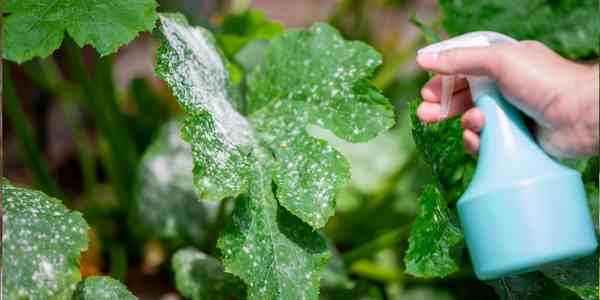
One season, I noticed the tell-tale coating creeping over the big, broad leaves of my zucchini. Instead of reaching straight for a store-bought fungicide, I decided to try the baking soda mix.
Here’s what I did:
- I mixed 1 teaspoon baking soda into 1 litre of water, added a small squirt of gentle soap, and poured it into a spray bottle.
- Early in the morning, before the sun got hot, I gave the zucchini a good spray, making sure to cover both the top and underside of the leaves.
- I repeated this every 3–4 days for a couple of weeks.
At the same time, I made a few changes: I pruned off the most badly infected leaves, watered at the base to keep the foliage dry, and gave the plants a bit more space by trimming back overcrowded leaves.
The results were encouraging. The mildew didn’t disappear completely (that’s a tall order once it’s well established), but the spread slowed right down, and my zucchini plants kept producing for weeks longer than they might have otherwise.
The lesson? With zucchini, it’s all about catching powdery mildew early. A simple spray of bi-carb of soda, along with a bit of good garden hygiene, can make all the difference between a quick harvest cut short and a season-long supply of fresh zucchinis.
9. Quick Reference Table
| What to Do | Why It Helps |
|---|---|
| 1 tsp baking soda + 1 L water + soap | Safe, effective mix |
| Spray in morning or afternoon | Avoids leaf burn |
| Test on one leaf first | Checks plant sensitivity |
| Repeat weekly or every 3–4 days | Keeps mildew under control |
| Rotate with milk or neem | Prevents fungus adapting |
10. Final Thoughts & Encouragement 🌸
Powdery mildew can feel like a gardener’s curse, but it’s not unbeatable. With some good habits (sunlight, airflow, careful watering) and a little help from bi-carb of soda, you can keep it from taking over.
Remember, gardening is never about perfection. Some seasons are easier, some bring more challenges. The important thing is that you’re learning and trying. Every spray, every pruning cut, every soil improvement makes you a better gardener.
And the best part? You don’t need fancy products to protect your plants. Sometimes, the answer really is sitting right in your kitchen.
So next time you see those white patches creeping in, grab your baking soda, mix up a spray, and give your plants a fighting chance. 🌿✨